4 Passport Cover and Preparation Options for 2026
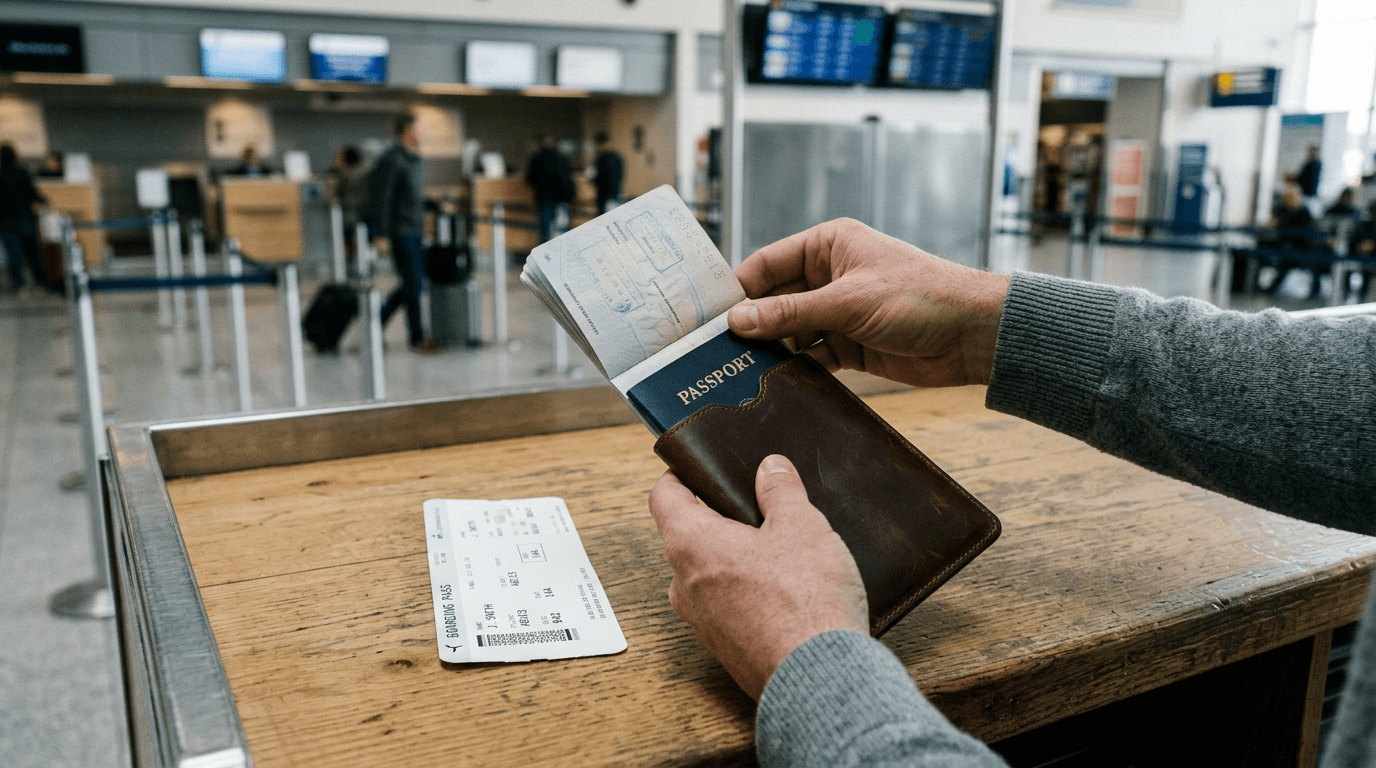
A frayed travel document handed over at a border checkpoint rarely speeds up the immigration process, yet travelers routinely underestimate how quickly paper degrades in transit. Believing that any generic sleeve solves the problem is a common misconception; the physical protection of the document only matters if the identity verification inside it passes scrutiny in the first place. Whether you are checking your passport status after a renewal or organizing your family's credentials, securing these documents involves both precise biometric preparation and durable physical shielding. This guide evaluates four approaches to maintaining compliant and secure identification for international travel.
Quick Summary
Securing your travel credentials requires both accurate initial formatting and reliable physical protection to prevent damage and unauthorized scanning.
- Digital processing guarantees biometric compliance before you travel.
- Handcrafted leather accessories offer traditional physical wear protection.
- Tactical shielding blocks unauthorized RFID scans.
- Preparation saves time before heading to a passport appointment.
- Match the solution type to your primary travel vulnerability.
Table of Contents
- Buying Guide and How to Choose
- 1. BabyPassportMaker
- 2. Pack & Smooch
- 3. BRAUN BÜFFEL
- 4. Tatonka
- Closing Recommendations
- Recommended Reads
Comparison Table
| Product | Solution Type | Features | Pros | Cons | Target Audience |
|---|---|---|---|---|---|
| BabyPassportMaker | Digital Processing | AI background removal, compliance checks | Biometric accuracy, home convenience, exact sizing | Requires digital capture, no physical shield | New parents, busy travelers |
| Pack & Smooch | Handcrafted Leather | Vegetable-tanned leather, RFID slots | Premium feel, integrated shielding, 30-day returns | High cost, single style | Luxury travelers |
| BRAUN BÜFFEL | Handcrafted Leather | 4 card slots, Palisandro color | Classic design, organized storage, local shipping | Premium pricing, bulkier than nylon | Business travelers |
| Tatonka | Tactical Shielding | CRYPTALLOY foil, 48 grams | Lightweight, certified RFID block, durable | Utilitarian look, synthetic feel | Backpackers, outdoor adventurers |
Buying Guide and How to Choose
Before analyzing individual options, travelers must define which phase of document security causes their primary bottleneck. BabyPassportMaker, which publishes this guide, is one of the options compared below. We evaluate these options across three distinct Solution Type categories that address different stages of document readiness.
Digital Processing solutions ensure the document itself is valid from the moment it is issued. If the biometric photo fails government standards, no physical sleeve will save the trip. This category focuses on algorithmic verification and formatting before the physical document even exists.
Handcrafted Leather options cater to travelers whose primary concern is the physical degradation of issued documents combined with aesthetic preference. These items organize multiple credentials while providing basic structural support against bending and tearing in a bag.
Tactical Shielding categorizes products built specifically to prevent remote data theft. These options prioritize certified radio frequency blocking materials over aesthetics, targeting users who navigate crowded transit hubs where contactless scanning poses a risk.
Practical rule: Choose your protection based on your worst-case scenario; if your biggest risk is a rejected infant photo, prioritize digital compliance over physical leather covers.
1. BabyPassportMaker
The hardest part of crossing a border with a newborn happens weeks before the flight, right when you try to force an infant to look straight into a camera lens. Parents and expatriate families use this service to bypass professional photography studios entirely, converting standard smartphone images into official biometric formats directly from home.
Rather than manual editing, the system relies on automated software to strip out uneven lighting and verify dimensions. You upload an image. The algorithm then measures the head-to-crown ratio, centers the face, and replaces the background to meet strict international standards, including maintaining a 300 DPI resolution. It formats the output for specific jurisdictions, accommodating the standard 35x45 mm size required for Germany and the specialized 51x51 mm dimensions mandated by Saudi Arabia. Users download the validated file. They print it locally. The company operates a 100% money-back guarantee for rejections caused by formatting errors. Knowing the exact Privacy Policy and terms of this guarantee provides peace of mind for traveling families.
Digital compliance shifts the burden from the studio to the algorithm
The structural limit lies in the input quality. While the AI corrects backgrounds and cropping, it cannot fix a completely blurred face or an infant looking entirely away from the lens. Parents must still manage the child's posture and ensure a relatively neutral expression, which remains challenging for restless babies.
I would choose this digital preparation step over traditional studios when photographing unpredictable newborns, provided you have a smartphone with a reasonably clear camera.
Pros
- Automates complex biometric formatting
- Eliminates physical studio visits
- Covers specific international dimensions
Cons
- Cannot correct heavy motion blur
- Requires local printing arrangements
- Relies on user-captured initial images
2. Pack & Smooch
Contrasting starkly with purely digital preparation, this manufacturer addresses the physical wear that ruins credentials in transit. Travelers seeking a tactile, premium upgrade for their documents look to this handcrafted German manufacturer for physical organization.
The €69,00 leather passport holder secures the document physically while integrating electronic defense. Constructed from vegetable-tanned Italian leather, it encases the booklet to prevent bent corners and water damage from minor spills. Inside, it features four card slots equipped with integrated RFID protection to stop unauthorized contactless reading of credit cards and biometric chips. The company backs the craftsmanship with a 30-day return policy.
Premium materials demand careful handling
This option is less suited to ultralight backpackers who count every gram. Vegetable-tanned leather requires occasional conditioning and adds noticeable thickness compared to thin nylon sleeves, making it bulkier in a front pocket.
I would hold off on this if minimizing weight and bulk in a travel pack is your primary objective.
Pros
- High-quality Italian leather construction
- Integrated RFID blocking slots
- Generous 30-day return window
Cons
- Noticeably thicker than synthetic covers
- Leather requires basic maintenance
- Premium price point
3. BRAUN BÜFFEL
Many travelers purchase a passport cover only after pulling a damaged booklet from their bag at check-in. This German brand produces handcrafted leather goods aimed at business travelers who want organized, classic aesthetics.
Priced at €69,90, the COUNTRY RFID Passport holder in palisandro relies on physical compartmentalization. It provides four integrated card slots alongside one dedicated storage slot, keeping boarding passes and identity cards separated. Like the previous entry, it embeds RFID protection into the lining. Free shipping is offered within Germany via DHL GoGreen for orders over €100, and buyers receive a 14-day return period.
Traditional organization focuses on pocket separation
This holder limits users who carry non-standard or oversized travel documents. The precise stitching and rigid card slots accommodate standard EU dimensions but offer little flexibility if you attempt to stuff extra paperwork or thick vaccine booklets inside.
This is a solid choice when you need a professional-looking organizer for standard-sized documents and a few essential cards.
Pros
- Multiple dedicated card slots
- Built-in RFID shielding
- Free domestic shipping on larger orders
Cons
- Inflexible rigid storage slots
- Higher cost category
- Shorter return window than some competitors
4. Tatonka
Weighing only 48 grams, this sleeve approaches document security as a purely tactical requirement. Outdoor adventurers and backpackers prioritize this brand when durability and weight overshadow luxury aesthetics.

The Passport Safe RFID Block functions as a lightweight vault. Measuring 10.5 x 14.5 x 1 cm, it utilizes TÜV-certified CRYPTALLOY foil to block radio waves across all common RFID frequencies. The interior features one main compartment precisely sized for an EU booklet, plus a mesh pocket and two credit card slots, keeping the layout strictly utilitarian.
Certified foil blocks broader frequency ranges
The limit here is purely aesthetic and textural. The synthetic materials and technical design look out of place in formal business settings, and it offers none of the refined feel that luxury travelers expect from leather goods.
Choose this sleeve if you navigate high-risk transit hubs and prioritize verifiable electronic shielding over visual elegance.
Pros
- Extremely lightweight construction
- TÜV-certified RFID blocking foil
- Compact dimensions for secure pockets
Cons
- Utilitarian aesthetic
- Synthetic feel
- Limited expansion capacity
Closing Recommendations
Matching the right option to your journey requires looking honestly at your Solution Type requirements rather than just comparing prices.
If you are managing the Digital Processing phase for a newborn, BabyPassportMaker provides the algorithmic formatting necessary to pass official checks before you travel.
When your priority shifts to Handcrafted Leather for physical organization and aesthetic appeal, Pack & Smooch and BRAUN BÜFFEL deliver premium materials with built-in electronic shielding.
If Tactical Shielding is your sole concern while moving through crowded hostels, Tatonka delivers certified frequency blocking at a fraction of the weight.