A Comprehensive Guide to Passport Renewal and Application Procedures in 2026
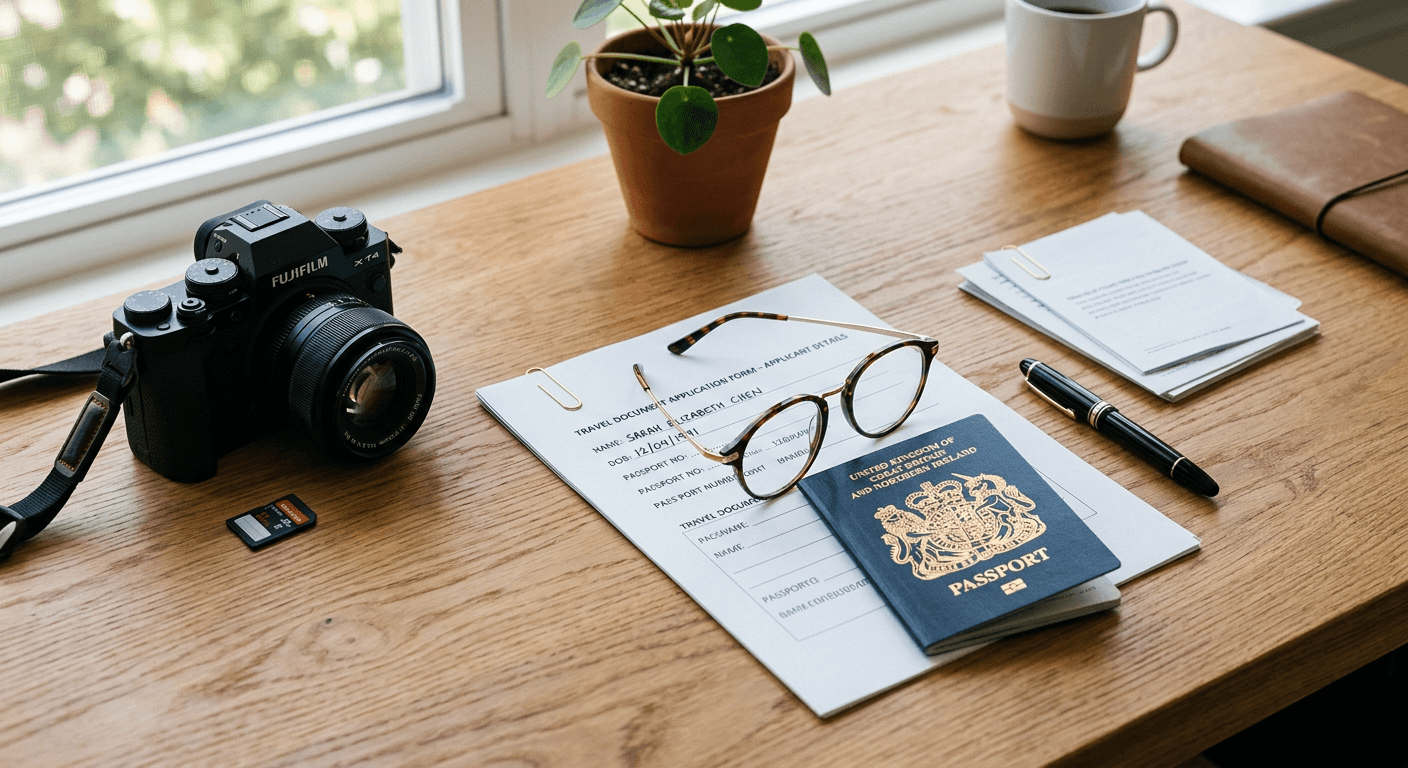
Navigating the administrative landscape of travel documentation can be daunting, but understanding the core requirements for a passport renewal or initial application is the first step toward seamless international travel. Whether you are updating an expired document or applying for your first passport, success relies on meticulous preparation, accurate documentation, and familiarity with the standard operating procedures of your regional authority.

Quick Summary
Obtaining or updating a passport involves gathering identity proof, submitting biometric photos, and attending a scheduled interview. Key procedures include verifying citizenship, providing valid identification, and ensuring photo compliance.
- Ensure all documents are original or certified copies.
- Schedule a mandatory passport appointment well in advance.
- Verify biometric photo requirements for your specific jurisdiction.
- Allow sufficient processing time for standard or expedited services.
Table of Contents
- Passport Application Prerequisites
- Navigating the Passport Renewal Process
- Preparing for Your Passport Appointment
- Common Pitfalls & Troubleshooting
- FAQ
- Recommended Reads
Passport Application Prerequisites
The foundation of any successful passport application lies in the integrity of your supporting documentation. Government agencies maintain rigorous standards to prevent identity fraud, meaning even minor discrepancies in birth certificates or name-change documents can lead to immediate rejection. Before starting, ensure you have access to your original birth certificate, naturalization papers, and a valid government-issued photo ID.
Beyond personal identification, you must provide biometric evidence that meets current government standards. As seen with specific infant passport photos, the requirements for clarity, lighting, and background color are non-negotiable. Using high-quality, compliant images - whether captured at home or by a professional - is critical because non-compliant photos are the most frequent cause of application delays.
Navigating the Passport Renewal Process
To successfully passport renew your document, you must determine if you are eligible for the mail-in renewal process or if you require an in-person appearance. Most jurisdictions allow you to renew via mail if your previous passport is still in your possession, is undamaged, and was issued within a certain timeframe - typically ten years. If your circumstances have changed, such as a name change due to marriage or divorce, you must provide legal documentation linking your old name to your new identity.
When applying for a passport renewal, ensure you use the most current version of the application form available on the official government portal. Using an outdated form is a common error that can add weeks to your processing time. Always check the official website to verify that you are not only using the right form but also enclosing the correct fee, which may change depending on whether you require standard processing or an expedited service level.
Preparing for Your Passport Appointment
Securing a passport appointment at an authorized office is often the most significant bottleneck in the process. Because demand fluctuates based on seasonal travel, it is advisable to book your slot at least several months before your planned departure date. Many locations now utilize centralized online booking systems that display real-time availability across various branches, allowing you to choose a location that might have shorter wait times.
Pro Tip: Print your completed application and gather all supporting documents in a folder the night before your appointment. Verification officers prioritize organized applicants, and having your documents ready for quick review minimizes the risk of missing a step or leaving behind essential evidence.
During the appointment, the officer will verify your identity, witness your signature, and ensure your photos meet all technical specifications. If you are applying for child visa or passport documents, ensure both guardians are present if required by local law. Being well-prepared allows you to ask targeted questions if you are concerned about your documentation's validity or specific travel timelines.
Common Pitfalls & Troubleshooting
One of the most common issues applicants face is the rejection of their photo due to improper lighting or facial expressions. Whether you are dealing with UK baby passport photos or standard adult images, the camera must be at eye level, and your expression should be neutral. Avoid heavy shadows or glare, which can obscure biometric data and trigger an automatic rejection by the scanner.
Another frequent mistake is failing to disclose previous lost or stolen passports. If you have misplaced a previous document, you are typically required to submit a specific declaration form alongside your application. Omitting this information can lead to security flags in the system. If you ever find yourself facing an unexpected rejection, consult the official agency's help center to understand the specific reason cited and follow the prescribed correction process immediately.
FAQ
How far in advance should I apply for a new passport?
Ideally, you should apply at least six months before your travel date. This buffer accounts for potential processing backlogs or the need to resubmit documentation if an initial application is rejected.
Can I use a digital photo for my paper application?
Most authorities require physical prints that meet specific paper quality and DPI standards. Always check if your jurisdiction accepts digital uploads or requires physical glossy prints for in-person submission.
What happens if I make a mistake on the application form?
If you realize a mistake before submission, it is often better to print a fresh copy of the form. Minor errors corrected with correction fluid are generally not accepted and may lead to the form being returned to you.
Do I need to be present at the passport office to renew my passport?
Not always. If you meet the criteria for a mail-in renewal, you can avoid an in-person visit. However, if your passport is expired by more than the allowed grace period or was lost, an in-person appointment is typically mandatory.