How to Capture a Compliant Newborn Passport Photo in 2026
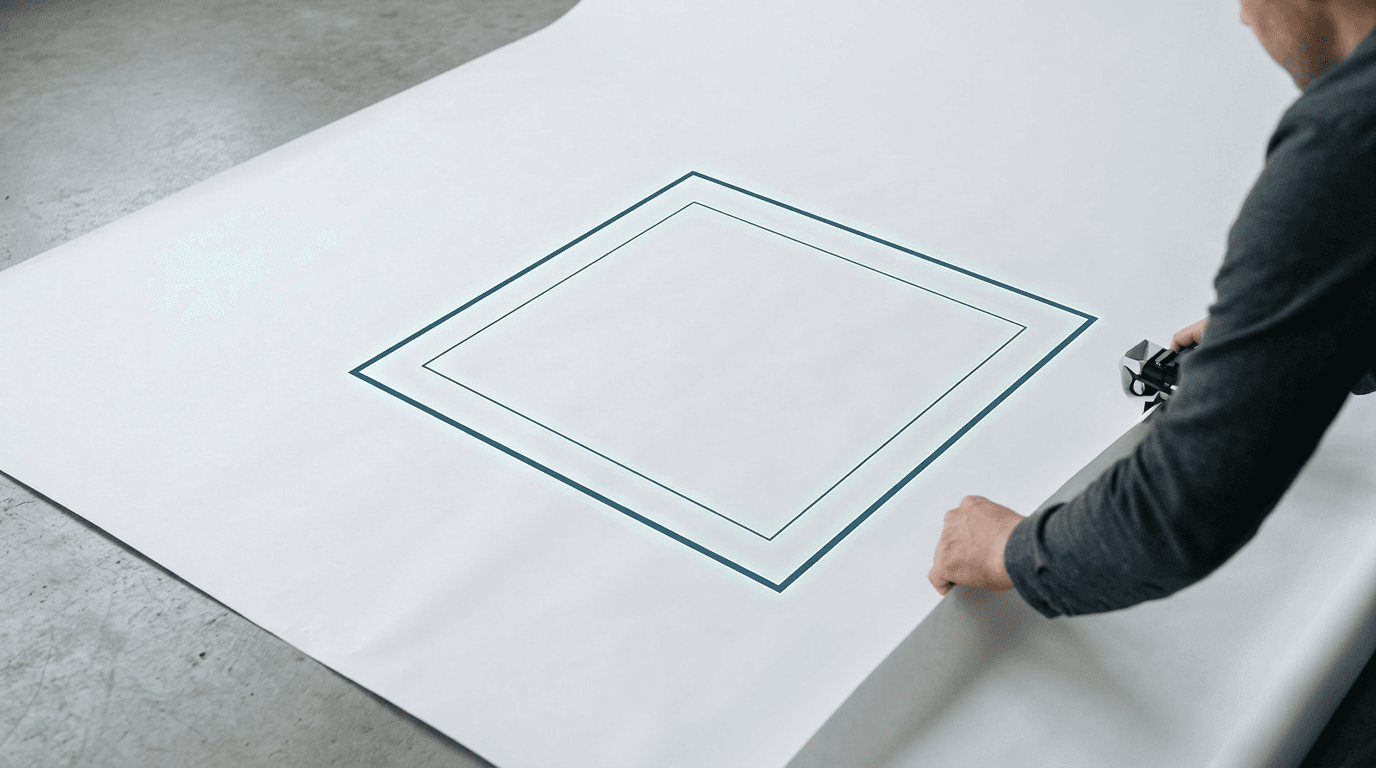
A newborn passport photo is not merely a scaled-down adult portrait; it is a biometric data point extracted from an entirely uncooperative subject. Parents often assume border agencies apply leniency to infants, but automated scanning systems do not distinguish between a six-month-old and a sixty-year-old. When a shadow falls across a baby's ear or a parent's hand creeps into the frame to support their head, the software immediately flags the application photo as non-compliant. Securing a government-approved image requires adapting strict adult biometric criteria to a subject who cannot sit upright, follow commands, or intentionally hold a neutral expression.
Quick Summary
A newborn passport photo is a highly regulated biometric image that must meet strict governmental standards for lighting, background, and facial visibility despite the infant's inability to pose. Successfully capturing this image at home involves controlling natural light, utilizing a firm white background, and timing the capture to align with the baby's alert state.
- Automated biometric scanners reject images with uneven shadows, visible support hands, or non-white, textured backgrounds.
- Infants must generally face the camera directly with open eyes, though minor variations in mouth position are occasionally tolerated depending on the specific jurisdiction.
- Standard formatting requires precise mathematical cropping, typically securing a 25-35 mm head size within a fixed frame.
- Eliminating artificial flash protects the newborn's eyes and prevents the harsh, high-contrast shadows that trigger automatic compliance failures.
Table of Contents
- Quick Summary
- Why infant biometrics require a completely different approach
- How to capture a compliant newborn passport photo
- What strict biometric sizing means for infants
- Common Pitfalls & Troubleshooting
- FAQ
- Recommended Reads
Why infant biometrics require a completely different approach
Governments design passport photo requirements around adult anatomy and predictable behavior. The regulatory expectation assumes a subject who can sit upright on a stool, stare directly into a camera lens, and hold a perfectly neutral expression while a photographer adjusts a strobe light. Applying these exact standards to a two-week-old infant creates an immediate mechanical and biological conflict. An infant cannot support their own cervical spine, meaning they cannot safely sit in a traditional photo booth. They lack the motor control to fixate on a lens on command, and their natural resting facial expressions frequently include open mouths or tightly squeezed eyes.
Despite these biological limitations, the software that processes an application file at a consulate or municipal office does not adjust its parameters for age. The digital system looks exclusively for defined biometric markers: the exact distance between the pupils, the visibility of the jawline against the background, and the absence of shadows across the nasal bridge. If a parent attempts to hold the baby up, their fingers inevitably obscure the shoulders or neck, instantly voiding the image. If a baby is placed in a car seat featuring patterned fabric, the software cannot isolate the head from the background. Understanding this gap between adult standards and infant reality changes the task from professional photography to controlled environmental capture. The goal is to build a temporary, compliant set around the baby where they naturally rest. For an in-depth look at how different jurisdictions enforce these exact standards, reviewing international baby passport photo requirements clarifies just how rigid automated background removal systems can be.
How to capture a compliant newborn passport photo

1. Controlling the background environment
The foundation of any verifiable biometric image is a completely plain, light-colored background, typically stark white or off-white. For an adult, this means standing squarely against a painted wall. For a newborn, this means bringing the background directly to the floor. The physical mechanics involve laying a flat, untextured white sheet or a large piece of poster board over a firm surface. The firmness of the surface is critical because a soft mattress allows the heavy infant to sink, creating deep folds in the fabric that cast shadows directly behind the ears and neck. These fabric shadows inevitably confuse automated background-removal algorithms, which rely on a clean edge between the skin and the white space.
The mistake parents routinely make here is using a deeply textured blanket, such as a knitted shawl or a fluffy towel, assuming the white color is the only variable that matters. Biometric scanners interpret heavy texture as background noise or non-compliant patterning, leading to immediate rejection. You must stretch the material tight to eliminate all wrinkles and surface variations.
Practical rule: If you can distinctly see the weave or texture of the background material from a meter away, the biometric scanner will flag it as a non-compliant pattern.
2. Managing lighting without flash
Electronic flash units introduce two severe problems for infant photography: they risk startling the baby into crying, and they create sharp, high-contrast shadows that ruin biometric compliance. A passport scanning system measures facial topography by analyzing light uniformity across the skin. A harsh flash creates a blinding, overexposed hotspot on the forehead and a deep, unreadable shadow under the chin. The mechanical solution is to rely entirely on diffused natural daylight. Position the baby flat on their back on your prepared white surface near a large, bright window, but remain strictly outside of direct, localized sunbeams. The light should wash evenly across the face from the top of the head downwards, ensuring both sides of the nose are equally illuminated.
The failure mode here is unmitigated cross-lighting, where a window sits purely to one side of the infant, leaving half the face perfectly lit and the other half in deep, obscuring shadow. This inadvertently mimics facial asymmetry to a scanner. The fix is to use a simple white piece of cardboard positioned on the shadowed side to bounce the window light back onto the darker cheek, creating an even, flat exposure. If you consult a Germany baby passport photo guide, you will see that strict European authorities heavily penalize any shadow that distorts the exact contour of the cheekbones.
3. Positioning the infant for a clear facial capture
Because the infant must lie entirely flat, achieving a full frontal facial view requires the photographer to position themselves directly above the subject. The smartphone or camera lens must be perfectly parallel to the floor. The physical mechanics involve standing directly over the baby and shooting downward, ensuring the infant is looking straight up. The shoulders must be clearly visible in the frame, and the head cannot be tilted heavily to the left or right. The neck is frequently obscured in newborns due to natural resting posture, but the jawline must remain distinctly separated from the collar of their clothing. Dress the baby in a dark, solid color - like navy or deep red - to create a high-contrast boundary against the white background.
The mistake people actually make here is leaning in at an angle from the feet or the head rather than shooting straight down. This introduces perspective distortion - making the forehead look disproportionately large while entirely obscuring the chin. When the camera tilts, the biometric proportions of the face mathematically warp, failing the algorithmic check. Ensure the camera is held perfectly flat to maintain accurate anatomical geometry. A specialized United Kingdom baby passport photo guide emphasizes that authorities strictly enforce this straight-on camera angle to preserve accurate pupil-to-chin ratios.
4. Timing the shot for open eyes and closed mouths
While some jurisdictions offer slight leniency for newborns regarding facial expressions, the absolute baseline rule for biometric processing is a neutral expression featuring both eyes open and the mouth closed. A crying infant, or one actively sucking on a pacifier, will invariably face rejection. The mechanics of getting an infant to comply involve capturing the image strictly during their quiet alert phase, usually observed immediately after a full feeding and a nap. Hover squarely above them and use a silent visual stimulus - such as a high-contrast toy held right next to the camera lens - to naturally draw their gaze upward.
The specific failure here is vocalizing loudly to get the baby's attention. Parents naturally default to making loud clicking noises, whistling, or calling the baby's name to force them to look at the lens. This almost always results in the baby's mouth springing open in surprise or a sudden head jerk that introduces fatal motion blur. Instead, rely purely on silent, moving visual cues to guide their eyes toward the lens without triggering a startled reflex. For instance, a United States baby passport photo guide notes that while US rules permit a slightly open mouth for very young infants, the eyes must absolutely remain visible and fixated straight ahead.
What strict biometric sizing means for infants
Understanding the exact digital and physical dimensions required is non-negotiable. Globally, the most common standard for a passport size image is 35x45 mm, though exact framing rules vary slightly by region. The critical metric is not simply the outer boundary of the printed photograph, but the actual real estate the head occupies within that fixed frame. Automated systems typically demand a head size between 25 and 35 mm, measured rigorously from the absolute bottom of the chin to the very crown of the head.
When photographing a newborn, parents often frame the shot far too tightly, attempting to fill the screen exclusively with the baby's face. If you capture the original image so closely that the ears or the top of the head touch the edges of the frame, you leave absolutely no room for the software to apply the mandatory 35x45 mm crop. The camera needs to be positioned approximately 40 to 50 centimeters away from the baby's face. This distance captures the entire head, the width of the shoulders, and an ample margin of pristine white background.
The software performing the digital processing strictly requires this negative space. If you are preparing a digital file for submission, an automated biometric tool will mathematically locate the pupils and the chin, then calculate the necessary crop. Without sufficient background margin, the tool will fail to frame the 25-35 mm head size, forcing you to begin the process over. Whether you are submitting documents remotely online or visiting a local municipal office for a Berlin passport photo application, the digital cropping algorithms operate on these exact same mathematical margins. Relying on an automated EU baby passport photo maker forces this precise cropping, ensuring the 25-35 mm head height constraint is mathematically perfect prior to printing.
Common Pitfalls & Troubleshooting
Many rejected newborn photos look perfectly fine to the naked eye but drastically fail the machine-vision tests applied by border agencies. Recognizing these subtle failures before submission saves weeks of application delays. The most frequent cause of rejection is the first one listed below.
- Symptom: Soft, curved shadows hugging the sides of the baby's head.
- Diagnosis: The baby is lying on a soft, plush blanket that has heavily compressed under their weight, causing the background fabric to curve up around their ears and block the ambient room light.
- Fix: Move the infant to a completely flat, hard surface covered with a taut white sheet. Tape the outer edges of the sheet down to ensure absolutely no fabric folds can rise up and cast a shadow.
- Symptom: A split blue or yellow tint across the infant's skin.
- Diagnosis: Mixed lighting. The room is receiving cool blue-tinted daylight from a window, but a warm yellow tungsten ceiling light is simultaneously turned on overhead. Scanners interpret this as improper color balance and artificial manipulation.
- Fix: Turn off all artificial overhead lights in the room. Rely strictly on the natural light entering through the window to guarantee a uniform, single-source white balance.
- Symptom: The baby's shoulders appear drastically uneven or are missing from the frame entirely.
- Diagnosis: The photographer leaned over from the feet or the head rather than standing directly above the exact center of the baby's chest, introducing a severe optical tilt.
- Fix: Stand directly over the infant. Ensure the camera lens is perfectly parallel to the floor and centered exactly above the bridge of the baby's nose, maintaining a steady 40-centimeter distance.
- Symptom: Background removal software leaves jagged, messy edges around the hair and shoulders.
- Diagnosis: The baby is wearing a white or cream-colored outfit that blends directly into the required white background. The software cannot successfully distinguish where the fabric ends and the background begins.
- Fix: Change the infant into a dark navy, black, or deep red outfit to force a high-contrast line along the shoulders and neck. If software issues persist despite changing the clothing, consulting a technical help center can provide specific diagnostic feedback on the exact biometric failure.
FAQ
Can a parent's hand be visible supporting the baby's head?
No. Any visibility of a parent's hand, arm, or clothing will cause an automatic and immediate rejection of the image. If the baby cannot hold their head securely straight, lay them entirely flat on their back on a firm surface rather than attempting to hold them upright.
Are infant pacifiers or headbands permitted in the photo?
No. Pacifiers completely obscure the mouth and jawline, while decorative headbands alter the visible profile of the head and hairline. The only rigid exception to head coverings is for documented religious or medical reasons, and even in those rare cases, the full face from the bottom of the chin to the top of the forehead must remain entirely visible.
Does an infant's mouth have to be completely closed?
While adult standards strictly require a tightly closed mouth, many jurisdictions offer minor leniency for newborns who naturally rest with their mouths slightly open. However, crying, grimacing, or yawning drastically alters facial proportions and will be unequivocally rejected. Aim for a relaxed, resting expression.
How current does a newborn passport image need to be?
Most global governments require the application photo to be taken within the last six months. However, because an infant's physical appearance changes drastically in their first few months of life, authorities highly recommend taking the photo as close to the actual application submission date as practically possible.