Global passport index 2026: Navigating travel document strength
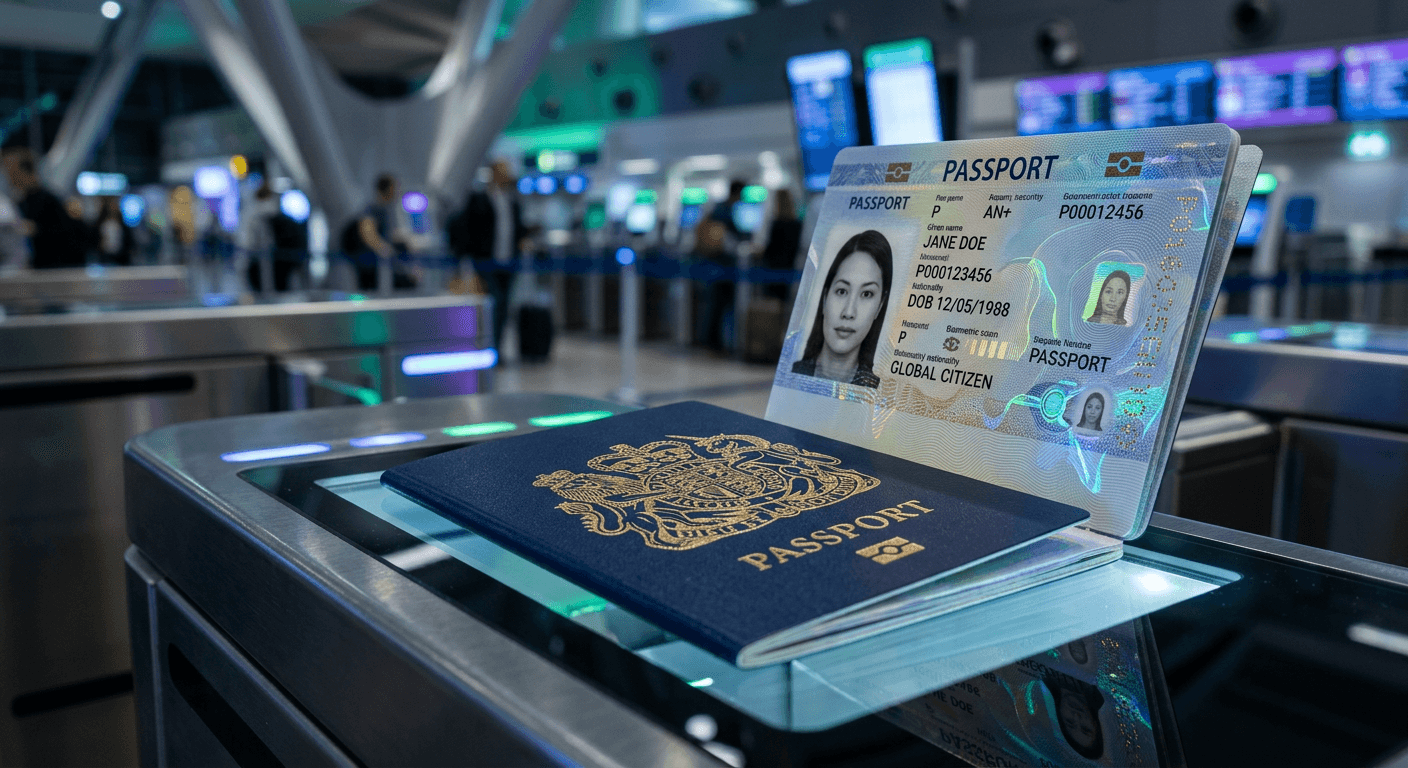
When families plan international relocations or frequent border crossings, they often assume travel friction is a permanent state. They look at a global passport index and accept their resulting rank as an unchangeable limit on their mobility. In reality, travel document strength is a highly manageable asset, dictated by bilateral agreements, electronic waivers, and the physical security of the document itself. Understanding how countries negotiate visa-free access allows you to structure your travel logistics, decide whether pursuing a second citizenship makes sense, and anticipate when a previously powerful passport might suddenly require a visa.
Quick Summary
Travel document strength defines the operational freedom a traveler holds across international borders, measurable through global mobility rankings. This hierarchy constantly changes based on diplomacy, document security, and economic treaties.
- Mobility rankings rely entirely on bilateral visa waivers and electronic travel authorizations.
- Secondary passports and residency cards effectively upgrade your entry rights for specific regions.
- Physical document security directly impacts whether you can use automated border control gates.
- Freedom of movement blocs offer deeper residency rights than standard tourist access.
Table of Contents
- How a passport index measures actual mobility
- 1. Standard Biometric Passports
- 2. Citizenship by Investment (CBI) Documents
- 3. Lineage-Based Second Passports
- 4. Regional Freedom of Movement Blocs
- 5. Golden Visa Residency Cards
- 6. The APEC Business Travel Card
- 7. Official and Diplomatic Passports
- Matching document strategies to your travel bottlenecks
- FAQ
- Recommended Reads
How a passport index measures actual mobility
Before evaluating individual document types, you have to understand the criteria that dictate global mobility. A passport's utility is judged by three factors: absolute visa-free access, electronic travel authorization (ETA) eligibility, and visa-on-arrival terms. When evaluating an issuing country passport, border control agencies look at economic stability, historical migration risks, and diplomatic reciprocity. A document that scores highly across these metrics reduces the time, money, and administrative burden required to cross borders.
| Document Strategy | Primary Mechanism | Best Suited For | The Honest Limit |
|---|---|---|---|
| Standard Biometric | Cryptographic chip verification | General border crossing | Tied strictly to home nation's diplomatic standing |
| Investment (CBI) | Financial citizenship acquisition | High-net-worth travelers | Vulnerable to sudden visa-waiver suspensions |
| Lineage Passports | Archival registry recognition | Digital nomads and expats | Extreme bureaucratic delays and formatting rejections |
| Regional Blocs | Multilateral movement treaties | European or Caribbean locals | Zero utility outside the designated geographic zone |
| Golden Visas | Capital-based residency cards | Pre-citizenship investors | Does not upgrade your primary passport globally |
| APEC Card | Multi-state background clearance | Asia-Pacific executives | Strictly excludes spouses, dependents, and tourism |
| Diplomatic Status | State sovereignty recognition | Official government envoys | Strictly prohibited for private or commercial use |
1. Standard Biometric Passports
A biometric passport is the default international identity document issued by a state to its citizens, embedded with a microprocessor chip for automated border verification. It is designed for general populations seeking standard entry across international borders for tourism, temporary business, or personal visits.
The physical booklet establishes your nationality. The embedded chip dictates how border infrastructure processes you. This chip stores your biographical data alongside a digitized photograph and, in many jurisdictions, your fingerprints. You place the document on an automated border control scanner. The system uses Public Key Infrastructure. It cryptographically verifies that the data was written by the legitimate issuing authority and remains unaltered. The gate camera captures a live image of your face and matches it to the digital profile stored in the chip. This unlocks the physical barrier without human intervention.
Electronic verification dictates gate speed
While the technology drastically reduces processing time at participating airports, the chip relies entirely on initial data accuracy. For parents securing these documents for infants, providing a compliant image is the primary hurdle. Automated processing systems require specific facial proportions and background contrasts to function, which is why reviewing a US baby passport photo guide prevents the application from failing basic international standards.
The harsh limit of this document type is its complete dependence on your birth nation's diplomatic standing. The cryptographic chip proves who you are, but it cannot negotiate access. If your home country suffers from poor bilateral relations or high migration risk scores, the most technologically advanced microchip will not bypass a consular visa requirement. Families holding weak primary passports face constant administrative delays, forced to apply for tourist waivers months in advance simply to transit through global aviation hubs.
2. Citizenship by Investment (CBI) Documents
CBI programs offer a secondary citizenship in exchange for a direct financial contribution or real estate purchase in the host nation. They are structured for high-net-worth individuals and expatriate families who hold a restrictive primary passport and need immediate, frictionless travel access.
Instead of requiring years of physical residency, these legal frameworks grant citizenship based on economic impact. Once the investment clears stringent due diligence, the applicant receives a travel document that carries its own distinct bilateral agreements. For example, acquiring a Caribbean passport often unlocks visa-free access to the Schengen Area and the UK, effectively overwriting the travel restrictions of the applicant's original nationality. The new document operates entirely independently of the investor's primary citizenship.
Purchased mobility faces increasing regulatory friction
The immediate expansion of travel freedom is substantial. Families that previously spent months applying for tourist visas can transit through major global hubs on a whim. The investment effectively buys back lost time and operational flexibility for business leaders operating globally.
The vulnerability of this route is diplomatic blowback. Major economic blocs view CBI programs with increasing suspicion, treating them as potential security bypasses. Consequently, the visa-free agreements attached to these passports can be suspended without warning. If the European Union decides a specific nation's vetting process is too lax, they will strip the visa waiver overnight. You are essentially renting a diplomatic arrangement that you have no control over. Furthermore, the initial capital outlay is steep, and routine renewals still require navigating the bureaucracy of a country where you do not actually live.
3. Lineage-Based Second Passports
Also known as citizenship by descent, these documents are reclaimed by individuals whose parents or grandparents were citizens of another country. They serve expatriates and global families looking for a permanent, cost-effective way to secure dual nationality.
The mechanism relies on proving an unbroken chain of ancestry to the target nation's civil registries. Rather than naturalizing over a decade, the applicant is retroactively recognized as having been a citizen since birth. This requires locating original birth, marriage, and death certificates across generations, translating them, and presenting them to the relevant consulate. Once registered, the applicant is issued a passport that holds the exact same weight and global access as a citizen born natively in that territory.
Ancestral ties grant permanent mobility advantages
Unlike investment passports, lineage-based documents are immune to diplomatic crackdowns on purchased citizenship. They offer a highly stable foundation for global mobility, often granting the holder the right to live, work, and study in powerful economic zones without time restrictions.
The barrier here is brutal bureaucratic attrition. The application process routinely stretches across multiple years, delayed by archival research, stringent document formatting rules, and massive consular backlogs. If a single name is misspelled on a grandfather's birth certificate, the entire application can be rejected. This is not a solution for an immediate relocation or a pending business trip. It requires intense administrative persistence and the luck of having ancestors from a country with favorable nationality laws. Those lacking European or favorable Latin American heritage will find this door entirely closed.
4. Regional Freedom of Movement Blocs
Documents issued within political unions function as both travel and residency permits across multiple participating states. These benefit professionals, families, and retirees looking to relocate fluidly within a designated geographic zone.
These passports operate on multilateral treaties that suspend ordinary immigration controls for member citizens. When a German citizen travels to Spain, they are not entering under a tourist visa waiver; they are entering under a fundamental right of free movement. The border check merely verifies identity, not intent or duration of stay. This mechanism completely bypasses the standard constraints of the global visa system, allowing holders to accept employment, sign leases, and enroll children in schools anywhere within the bloc as if they were domestic citizens.
Economic treaties supersede standard tourist access
Practical rule: When evaluating document strength, prioritize the right to reside over the right to visit; a passport that allows you to live in 27 countries is inherently stronger than one that simply lets you visit 150.
The power of these documents is their depth of access. While a standard high-ranking document provides broad shallow access (brief tourist visits globally), a bloc passport provides deep regional integration, fundamentally changing how a family can structure their lives. Parents navigating the initial bureaucratic setup for their dependents must ensure document compliance from day one; resources detailing the Germany baby passport photo guidelines outline the specific visual standards required by European immigration.
The limitation is geographic containment. A European bloc passport is arguably the most powerful document within its region, but outside that zone, it is subject to the same bilateral whims as any other document. Furthermore, gaining access to these blocs natively requires either birthright, lineage, or enduring a decade of standard naturalization.
5. Golden Visa Residency Cards
Golden Visas are long-term residency permits granted to foreign nationals who make significant economic investments in a host country. They are designed for investors and traveling families who want regional access and a pathway to future citizenship without uprooting their current lives immediately.
The applicant injects capital into real estate, venture funds, or job creation, receiving a biometric residency card in return. While not a passport, this card acts as a powerful travel document within its specific zone. For instance, a Greek or Spanish Golden Visa card, when paired with the holder's original passport, removes Schengen border restrictions entirely. The physical card signals to automated systems and border agents that the holder has lawful resident status, converting a weak primary passport into a high-tier travel mechanism for that specific region.
Pre-citizenship status offers localized travel freedom
This strategy allows families to hold their original nationality while eliminating the friction of constant visa applications for major business hubs. It bridges the gap between holding a weak travel document and the eventual acquisition of a stronger one through naturalization.
A residency card is not a shield against your primary nationality's global standing. While it solves the Schengen problem if issued in Europe, it does absolutely nothing if you need to travel to North America. You will still apply for visas using your original passport. If you hold a weak primary document and need to enter Canada, you must meet the strict requirements for a Canada baby passport photo for your children's applications, just as any other tourist would. Additionally, these programs are politically volatile; many governments frequently shut them down, meaning your long-term pathway to an actual citizenship could be legislated away before you finish the process.
6. The APEC Business Travel Card
The APEC Business Travel Card (ABTC) is a multilateral travel credential facilitating short-term business entry across the Asia-Pacific Economic Cooperation region. It is strictly for verified business owners, executives, and government officials operating heavily in the Asia-Pacific corridor.
The mechanism operates on pre-clearance. Rather than applying for visas for each trip, the applicant undergoes a massive background check conducted simultaneously by all participating member economies. Once cleared, the physical card is issued, listing the specific countries that have pre-approved the traveler. At the airport, the holder simply presents the card alongside their primary passport, bypassing consular interviews, visa fees, and standard immigration queues. They are funneled through dedicated fast-track diplomatic or crew lanes, avoiding standard border congestion entirely.
Corporate mobility bypasses standard consular queues
For executives whose primary document is a mid-tier passport, the ABTC acts as an extraordinary force multiplier. It turns a document that normally requires extensive administrative preparation into a seamless entry pass for numerous economies, ensuring you meet the stringent entry expectations found in a Singapore baby passport photo guide without standing in line to prove it.
The scope is rigidly restricted to business purposes and specific geographies. The ABTC provides zero utility for personal tourism or family travel; your spouse and children cannot use your clearance to bypass the visa line. Furthermore, the vetting process is excruciatingly slow, often taking over a year as you wait for individual member countries to process your background check. If even one nation flags your profile, your card is delayed. It also excludes North America from its full pre-clearance benefits, offering them only fast-track lane access rather than outright visa waivers.
7. Official and Diplomatic Passports
These state-issued documents denote that the traveler is crossing borders on official government business or represents a sovereign state. They are exclusively for diplomats, senior government officials, and approved international delegates.
Unlike regular tourist documents, these passports invoke international treaties, specifically the Vienna Convention on Diplomatic Relations. The mechanism here is sovereignty rather than personal merit. When border control scans a diplomatic passport, they are processing a representative of a foreign state, not an individual tourist. This status frequently waives standard visa requirements entirely, shields the holder's luggage from customs searches, and grants varying degrees of immunity from local jurisdiction while in transit to a posting.
State representation eliminates standard border checks
These documents provide the absolute highest tier of operational friction reduction at a border. The host nation is obligated to facilitate the traveler's movement, meaning standard interrogations regarding return flights, hotel bookings, or bank balances are bypassed entirely.
These are categorically unavailable to the general public, regardless of wealth or lineage. More importantly, they belong to the state, not the individual. The moment a government posting ends, the document must be surrendered. Using a diplomatic passport for personal leisure travel is strictly prohibited and routinely enforced; doing so can result in the immediate revocation of the document and an international incident. They represent temporary, conditional power that cannot be leveraged for personal family relocation or private commercial ventures.
Matching document strategies to your travel bottlenecks
Selecting the right approach depends entirely on where your current travel friction lies.
If your bottleneck is constant European visa rejections, a Caribbean CBI passport resolves the issue rapidly, assuming you have the available capital.
If your primary friction is regional business expansion in Asia, standard visas are too slow. Apply for the APEC Business Travel Card to secure pre-clearance, upgrading the regional utility of your current document without changing your nationality.
If you desire permanent, multi-generational relocation to Europe, skip temporary Golden Visas and invest the administrative hours into proving lineage for a second passport.
Practical rule: Never pursue a secondary travel document without calculating the tax obligations of the issuing country; some powerful passports carry global taxation requirements that outweigh their mobility benefits.
For parents managing cross-border family logistics, ensuring your dependents hold compliant documents from birth is non-negotiable. Submitting flawed imagery delays processing by months. Opting for a solution backed by a 100% refund policy on processing mitigates the financial risk of official rejections. If the application logistics are confusing, consulting a detailed help center clarifies the exact steps for securing digital acceptance.
FAQ
Does a biometric passport automatically guarantee visa-free access? No. The cryptographic technology prevents forgery and speeds up automated gate processing, but the visa-free privileges are dictated entirely by your nationality and diplomatic treaties, not the microchip itself.
Why do global passport indexes change throughout the year? Rankings shift when countries sign new bilateral visa-waiver agreements, revoke existing treaties due to geopolitical security concerns, or implement mandatory electronic travel authorizations (ETAs) that add administrative friction to previously frictionless routes.
Can a residency card function as a travel document? Yes, within specific economic zones. A European residency card combined with your primary passport allows visa-free transit throughout the Schengen Area, though it does not cover broader international borders or act as a primary proof of citizenship.
How do automated border gates read travel documents? The gates use an optical scanner to read the physical text and an RFID reader to unlock the encrypted chip, verifying your stored facial biometric data against a live camera feed.