How to get a passfoto machen in der nähe: Choosing the best way to handle passport photos in 2026
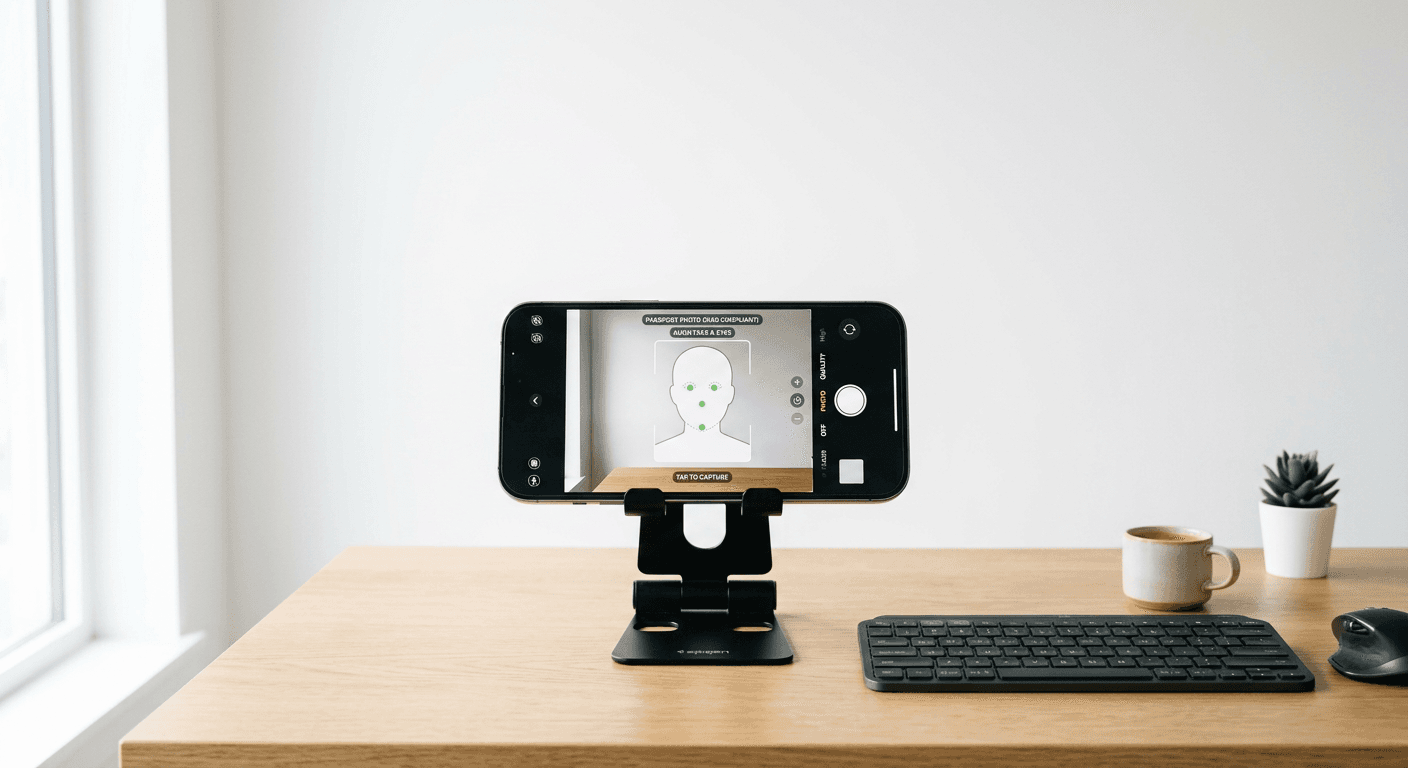
Obtaining high-quality, government-compliant imagery for your travel documents is a fundamental step in the application process. Whether you are preparing a renewal for a personausweis reisepass or need an initial document for an infant, the method you choose to obtain these images impacts both cost and convenience. With strict biometric standards enforced by most authorities, the days of relying on low-quality snapshots are over, requiring a strategic approach to photo acquisition.

Quick Summary
Choosing the best way to get a professional-grade passport photo involves balancing the convenience of automated mobile tools against the personal oversight of physical service providers. Successful applicants must prioritize precise biometric compliance, consistent lighting, and correct head-sizing to avoid costly processing delays or application rejections.
- Automated online platforms offer immediate processing and cost savings.
- Physical photo booths provide instant prints but often lack personalized guidance.
- Professional photography studios offer the highest quality but at a premium price.
- Compliance with country-specific biometric standards remains the most critical factor.
Table of Contents
- Comparison of Passport Photo Services
- AI-Powered Online Passport Photo Services
- Automated Physical Photo Booths
- Traditional Professional Photography Studios
- Government-Specific Requirements
- Buying Guide - How to Choose the Right Service
- FAQ
- Recommended Reads
Comparison of Passport Photo Services
| Category | Pros | Cons | Target Audience |
|---|---|---|---|
| AI Online Tools | Extremely affordable, fast turnaround, at-home comfort. | Requires basic smartphone skills for setup. | Families, busy professionals. |
| Photo Booths | Instant physical prints, no appointment needed. | Limited ability to fix pose or lighting issues. | Travelers in a hurry. |
| Photo Studios | Expert lighting, guaranteed compliance. | Expensive, requires appointment. | Sensitive document applicants. |
AI-Powered Online Passport Photo Services
AI-powered platforms have revolutionized the landscape for those seeking a passfoto machen in der nähe from the comfort of their home. These services leverage sophisticated algorithms to analyze images for biometric compliance, automatically adjusting background color, head orientation, and facial positioning. For parents of infants, these tools are particularly valuable as they remove the stress of trying to position a child in a rigid, uncomfortable public booth, which you can learn more about in the US baby passport photo guide.
Beyond convenience, these services provide a standardized output that meets international ICAO requirements. By using digital processing, users often receive files that are ready for online submission or can be printed at local retail kiosks. The focus here is on ensuring that the geometry of the face - measured against the specific needs of a country like Germany or Canada - is perfect before submission.
- Pros: Highly cost-effective; eliminates travel; allows for multiple attempts.
- Cons: Dependent on user-captured image quality (lighting/shadows).
Automated Physical Photo Booths
Automated photo booths remain a staple in transit hubs and government offices. These self-contained units provide an immediate solution for individuals who require physical prints on the spot. Modern machines are increasingly equipped with basic compliance software that alerts users if their eyes are closed or their head is out of frame, though the feedback is generally less comprehensive than an AI software suite.
While these machines are widespread, their reliance on a single fixed seating position makes them difficult for individuals with mobility challenges or for parents attempting to photograph infants. For complex scenarios, it is often better to consult professional baby passport photo resources to understand why lighting and positioning are so critical.
- Pros: Immediate physical output; no smartphone required.
- Cons: Rigid infrastructure; limited capacity to adjust for non-standard heights; potential for inconsistent ambient lighting.
Traditional Professional Photography Studios
Professional studios offer the highest level of service, particularly for those requiring photos for specialized visas or sensitive documents. An experienced photographer understands the intricacies of shadow management, skin tone accuracy, and the strict geometric requirements of international borders. This is a premium option, ideal for those who prefer to offload the responsibility of compliance to a human expert.
While studios provide superior quality, the logistical burden of booking an appointment and traveling to a physical location can be prohibitive. However, for those concerned about high rejection rates, a studio provides a clear path to compliance with minimal user effort. It is the most reliable option for applicants who have faced previous rejections or have non-standard requirements.
- Pros: Professional expertise; high-quality lighting; personalized guidance.
- Cons: Most expensive option; time-consuming; limited operating hours.
Government-Specific Requirements
Understanding the nuanced differences between countries is vital when preparing your passfotos reisepass. For instance, the size requirements for a UK passport photo often differ from those required for a Schengen visa or a Canadian identity document. Using a service that provides country-specific compliance checks ensures you are not submitting a photo with incorrect margins or a non-compliant background.
Technical specifications such as DPI (dots per inch) and pixel density are often overlooked by casual applicants. Whether you are researching UK baby passport photo requirements or another specific jurisdiction, verify that your chosen method explicitly supports the format (e.g., JPEG or high-gloss physical print) requested by your government office.
Buying Guide - How to Choose the Right Service
Selecting the right method to obtain your photo should depend on your specific travel timeline and documentation needs. If you are preparing for a standard renewal, an AI-powered tool is likely sufficient and saves significantly on costs. For those with complex visa applications or infant children, the specialized features of an AI-driven service often provide better results than a generic photo booth.
Always check the guarantee policy of the provider. Reliable services often offer a refund policy if a photo is rejected, providing an extra layer of security. Always review the privacy policy and terms of any service you use, especially when dealing with biometric data, to ensure your images are handled with proper security standards.
FAQ
What makes a passport photo compliant?
Compliance is determined by factors such as head size, background color, lighting, and facial expression. Most governments require a neutral expression, eyes open, and no shadows on the face.
Can I take my own passport photo at home?
Yes, provided you have a high-resolution camera, consistent, neutral lighting, and the ability to crop the image to the specific biometric dimensions required by the issuing country.
Why was my passport photo rejected?
Rejections are most commonly caused by incorrect background color, shadows, obstruction of the face by hair or glasses, or incorrect head-to-frame proportions.
How often do I need a new passport photo?
Generally, you need a new photo whenever your appearance has changed significantly or when your current document expires. Regulations vary by country regarding the "age" of the photo allowed.