International Passport Requirements and Tips
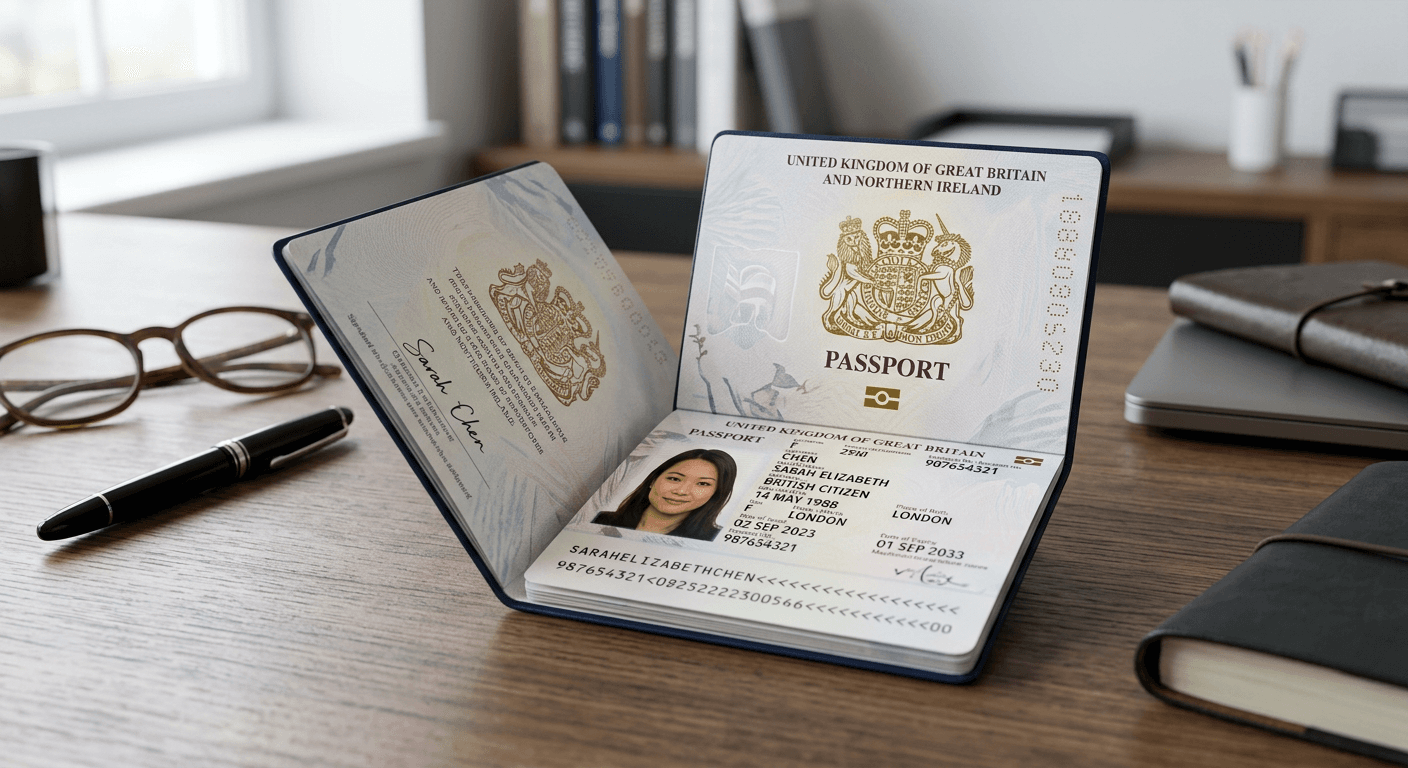
Navigating international travel requires a deep understanding of document compliance, particularly regarding the modern biometric passport and its integration into global security frameworks. Ensuring your travel documents are fully compliant is not merely a formality - it is the cornerstone of a seamless transition through international borders. Whether you are renewing a Spanish passport or managing the specific chip passport requirements for a family trip, understanding how your identity is verified digitally is essential for modern globetrotters.
Quick Summary
International passport standards define the technical and physical specifications required for cross-border identification, primarily focusing on biometric security features. Compliance with these protocols ensures global interoperability and document integrity.
- Biometric data embedded in electronic chips enhances document security.
- Adherence to expiration date passport regulations is mandatory for entry.
- Protective accessories like a passport cover must allow for easy verification.
- Standardization facilitates seamless automated border control processes.
Table of Contents
- Biometric Passport Security Features
- Understanding the Chip Passport Mechanism
- Navigating Expiration Date Passport Rules
- Maintaining Your Spanish Passport
- The Role of a Passport Cover
- International Border Control Integration
- Best Practices for Document Longevity

Biometric Passport Security Features
A biometric passport serves as the gold standard in modern identity verification. Unlike traditional paper-only documents, these contain a small electronic microprocessor - the "e-chip" - that stores the holder's personal data, including digitized photographs and often fingerprint or iris scans. This dual layer of physical and digital security makes it significantly harder for fraudulent entities to replicate or alter travel documents, as the biometric data must cryptographically match the information printed on the biodata page.
Why it matters: The integration of biometric identification has revolutionized how authorities verify identity at international checkpoints. If your passport's chip becomes damaged, you may be flagged for manual inspection, which often leads to significant delays. Maintaining the physical integrity of the embedded chip is paramount for travelers who value efficiency and want to avoid the complexities of secondary screening protocols.
Understanding the Chip Passport Mechanism
The chip passport utilizes Radio Frequency Identification (RFID) technology to transmit data wirelessly to a reader at the immigration desk. This data is protected by Public Key Infrastructure (PKI), which ensures that the information on the chip cannot be read by unauthorized devices. Because the chip is physically embedded in the document, it is subject to the same wear and tear as the paper pages themselves, requiring careful handling to ensure long-term functionality.
Why it matters: Many countries now utilize e-gates that exclusively read chip-based documents. If the chip fails to transmit, the e-gate will lock, forcing the traveler into a traditional queue. This transition is not only frustrating but can lead to missed connections, especially in high-traffic transit hubs where automated processes are the primary method for managing passenger flow.
Navigating Expiration Date Passport Rules
Most nations enforce strict entry requirements concerning the expiration date passport duration. A common, often misunderstood, rule is the "six-month validity" requirement. Many countries will refuse entry if your document has fewer than six months of validity remaining, even if your intended stay is only for a few days. This policy protects host nations from travelers overstaying their legal welcome due to document issues.
Why it matters: Travelers frequently fail to check the exact expiration date well in advance of their flight. Relying on the assumption that a passport is "still valid" because the date hasn't passed yet is a common error. Always check the specific entry requirements for your destination country through official government resources, as some jurisdictions are stricter than others regarding the window of time remaining on your document.
Maintaining Your Spanish Passport
A Spanish passport is a highly regarded document in the international community, granting access to a wide range of visa-free destinations. Like all EU documents, it adheres to rigorous design and security standards, including advanced holographic imagery and machine-readable zones. Keeping this document in pristine condition is essential, as damaged documents are often treated as invalid by foreign border officials.
Why it matters: Damage such as moisture exposure, bent pages, or deep scratches on the data page can lead to a refusal of boarding at the departure gate. If you are preparing for travel with young children, refer to the guide for Canada baby passport photo or similar regional standards, as even a minor discrepancy in the document's condition can be magnified when children are involved in the travel process.
The Role of a Passport Cover
Choosing a passport cover is a balancing act between style and utility. While a cover protects the document from spills, bending, and environmental wear, some designs can interfere with the rapid verification process at borders. It is generally recommended to remove the passport from any cover or wallet before handing it to an immigration officer to avoid delays.
Why it matters: High-quality covers can preserve the life of your document for its full ten-year cycle. However, choosing a cover that is too thick or contains magnetic materials might interfere with the RFID chip's ability to communicate with airport scanners. If you prioritize travel efficiency, look for slim, minimalist covers that are easily removable.
International Border Control Integration
Global border systems are becoming increasingly interconnected, sharing intelligence on lost, stolen, or invalid travel documents in real-time. This interconnectedness means that even a minor administrative error in one country's database could lead to complications elsewhere. For those needing clarity on specific regional documentation, resources like the guide for UK baby passport photo demonstrate the level of detail required for modern compliance.
Why it matters: Understanding that your passport is part of a massive global security data network changes how you should treat it. It is not just a booklet of paper; it is your digital identity token. Protecting this token against theft and physical damage is a vital part of proactive travel safety that prevents the risk of becoming stranded abroad.
Best Practices for Document Longevity
Ensuring your passport lasts its full term involves simple maintenance habits. Store it in a cool, dry place when not traveling and avoid keeping it near magnets or heavy electronics that could demagnetize the chip. When cleaning, never use harsh chemicals, as these can degrade the security features embedded in the paper.
Why it matters: A well-maintained document reflects positively on the traveler and facilitates smoother interactions with authorities. For families, ensuring that the guide for US baby passport photo requirements are met is the first step in long-term document care for dependents, ensuring their early travel documents remain valid and usable for as long as possible.
FAQ
Can I use a damaged passport if the chip still works? No. Any significant physical damage, such as torn pages or a degraded biodata page, can render the entire document invalid regardless of chip functionality. Border control officers retain the right to deny entry if the document condition is suspicious.
Do I need a new passport if I change my name? Yes. Any legal change in your identity requires you to update your travel documents. The name on your ticket must match your passport exactly to avoid issues at check-in.
How can I check if my passport chip is readable? Some modern smartphone applications can scan the NFC chip in a biometric passport, but for absolute certainty, visit your national passport office if you suspect hardware failure.
Is a passport cover mandatory? No, it is optional. However, it is highly recommended to protect the document from the wear and tear associated with frequent international travel.