Passport Identification Numbers: What You Need to Know
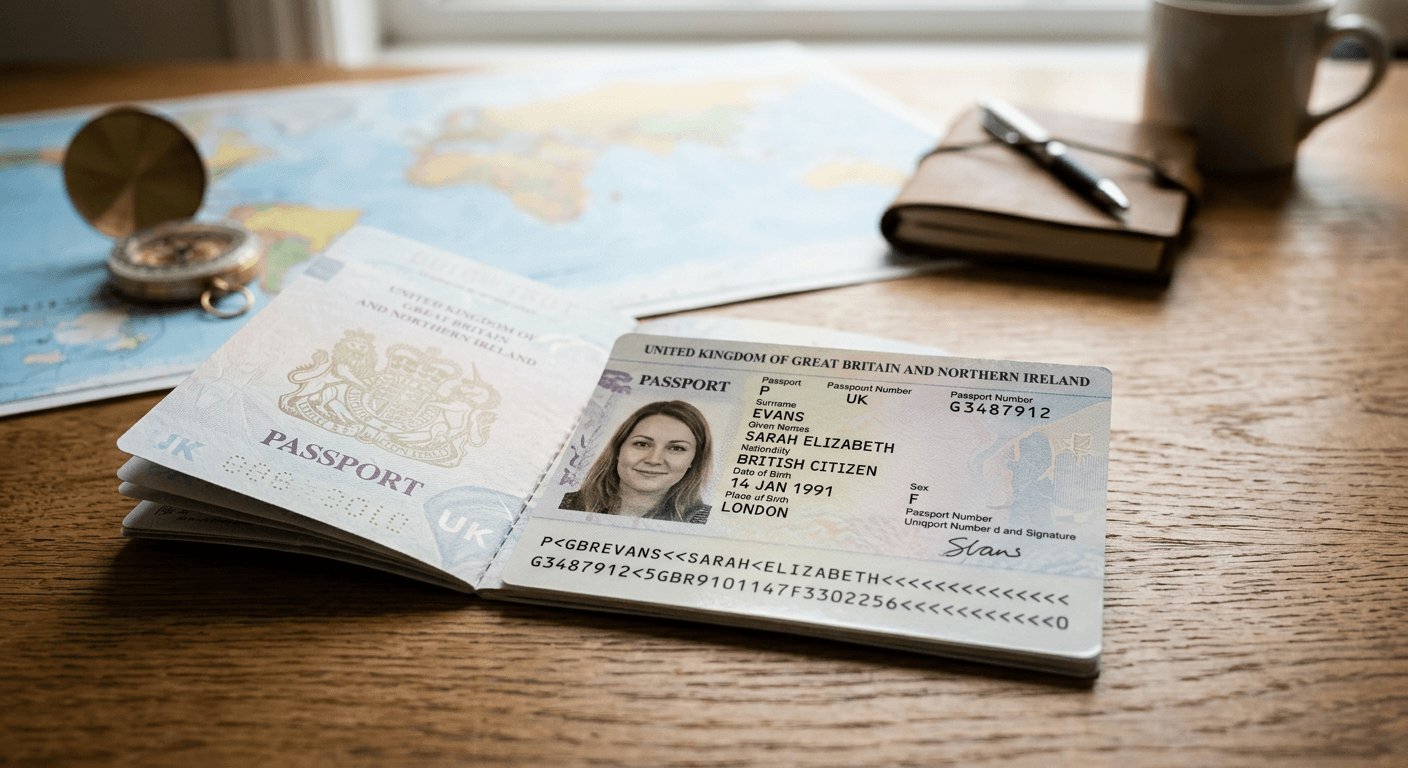
Understanding the unique id passport number assigned to your travel document is essential for international travel, identity verification, and administrative processing. This alphanumeric string acts as the primary key to your personal data held within global border control systems, ensuring that your identity is tied directly to your authorized travel permissions.
Quick Summary
A passport identification number is a unique alphanumeric code printed on the data page of a travel document, used to verify the holder's identity and travel eligibility. It is distinct for every individual and serves as the primary reference for immigration authorities, airlines, and government agencies worldwide.
- The number is unique to the specific passport book or card.
- It is found on the machine-readable data page.
- It differs based on the issuing country's format and length.
- It is critical for visa applications and international security screenings.
Table of Contents
- Understanding Passport Identification Numbers
- Locating Your Identification Number
- Structure and Format Variations
- The Role of the Issuing Country
- Security and Data Integrity
- Common Issues and Troubleshooting
- FAQ
- Recommended Reads

Understanding Passport Identification Numbers
Every identification number passport holders carry is more than just a random sequence of characters. It is an encrypted or serialized reference point used by governments to track the validity, history, and status of a travel document. Unlike other forms of identification that may be shared or reused across different documents, the passport number is usually tied to a single, specific physical document issued for a set period.
When you travel, this number is cross-referenced against watchlists, visa databases, and airline manifests. If you are preparing for international travel with a minor, understanding these identifiers is crucial, as you can learn more about the process of obtaining documentation for infants to ensure all identification numbers are correctly logged before departure. The security of this number is paramount, as it grants access to sensitive personal information stored in electronic chips.
Locating Your Identification Number
The passport data page is the most vital part of your document, typically located on the inner front cover or the first page of the passport book. This page contains your photograph, personal details, and the unique passport number, usually located in the upper right-hand corner. In many modern e-passports, the number is also perforated through the pages of the book as an additional anti-counterfeiting measure.
It is important to note that the passport number is different from the document number found on the machine-readable zone (MRZ) at the bottom of the page. While they are often identical in standard documents, the MRZ includes additional check digits that help scanners confirm the integrity of the number during processing. For travelers handling family documents, reviewing the specific requirements for different jurisdictions is a smart way to ensure you know exactly where to find and how to transcribe these numbers accurately.
Structure and Format Variations
The format of a passport id varies significantly depending on the sovereign nation that issued it. Some countries utilize a strictly numeric sequence, while others combine letters and numbers to expand the total number of unique combinations. For instance, some nations may include a leading letter that denotes the specific type of document, such as 'P' for standard, 'D' for diplomatic, or 'O' for official.
Pro Tip: Always double-check your passport number when booking international flights. A single transposed digit can lead to significant delays at airport security or even denial of boarding, as the digital manifest must match your physical document exactly.
These alphanumeric structures are designed to prevent overlap and accommodate the massive scale of global travel. Because there is no international standard for the length or composition of these numbers, systems used by airlines and immigration authorities are built to handle a diverse range of formats, making the specific issuing country passport information a mandatory field in every digital form.
The Role of the Issuing Country
Each issuing country passport authority maintains a secure database that connects your specific identification number to your biometric data, citizenship status, and travel history. When you present your passport at a border, the officer scans the document to pull this record from the national registry. This connection is why losing your passport is a serious security incident; the identification number must be invalidated immediately to prevent misuse by unauthorized parties.
Countries also enforce strict rules regarding the renewal or replacement of passports. When you receive a new document, it will almost always have a new, different identification number. It is crucial to update this information with any travel partners, frequent flyer programs, or visa service providers immediately to avoid discrepancies between your stored profile and your current travel document.
Security and Data Integrity
Modern passports are feats of engineering, designed to protect the integrity of the passport id through physical and digital means. Beyond the printed number on the data page, many passports contain an RFID chip that stores the same information in a cryptographically signed format. This prevents the number from being altered or spoofed, as any tampering with the chip would immediately trigger a security warning during a scan.
If you find yourself confused by the complex documentation requirements for your next trip, it is helpful to consult an online guide for navigating international travel standards. Protecting your passport number from unauthorized digital exposure is just as important as protecting the physical book, as identity thieves can use this information to attempt fraudulent activities or bypass security protocols.
Common Issues and Troubleshooting
Common issues involving passport numbers often arise during digital data entry. Users frequently mistake the letter 'O' for the number '0', or confuse the passport number with the application reference number. If you are struggling with a digital application form, verify the field labels carefully; the passport number is always the permanent identifier associated with your issued document.
If your passport number has been damaged or the data page is fading, you should seek a replacement. A passport with an unreadable or partially obscured identification number is considered invalid for travel and will likely cause you to be turned away at the airport. Maintenance and care of your passport are vital to ensuring your identifier remains legible for the duration of the document's validity.
FAQ
- Q: Is the passport number the same as the document number? A: In almost all cases, yes. They refer to the same unique identifier printed on the data page of your passport.
- Q: Can I keep the same passport number when I renew my passport? A: No. When you receive a new passport, it will be assigned a new identification number to reflect that it is a new physical document.
- Q: Where is the passport number located if I cannot find it? A: It is typically found on the top right corner of the personal data page. On newer documents, it may also be perforated through the pages of the book.
- Q: What should I do if I entered the wrong passport number on a flight booking? A: Contact the airline as soon as possible to update your passenger information. Most airlines allow you to correct this through their manage-my-booking portal.