Reisepass Online Beantragen Berlin: Comparing German Passport Offices
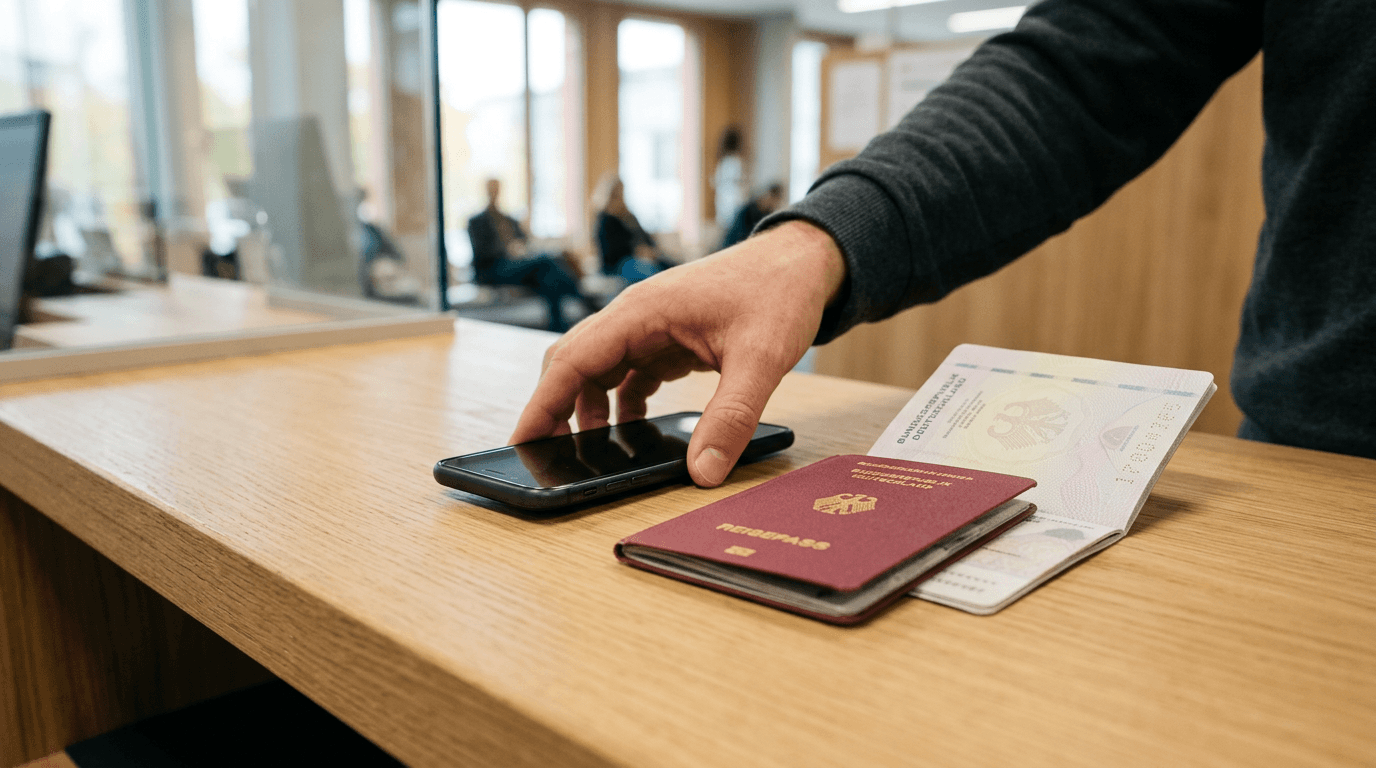
The misconception that a German passport can be ordered end-to-end via a smartphone browser traps many first-time applicants. While you can handle the demographic paperwork digitally, federal biometric security requirements - specifically fingerprinting - mandate a physical visit. If you execute a reisepass online beantragen berlin search today, you are actually looking for the most efficient intersection of digital pre-processing and in-person appointment availability. The German municipal system operates on a localized level, meaning the digital tools, waiting times, and office structures change completely the moment you cross city lines.
Quick Summary
Submitting a German passport application requires navigating municipal digital portals for appointment booking and initial data entry, followed by a mandatory in-person biometric capture. The efficiency of this process depends entirely on the specific city's infrastructure.
- Digital pre-application portals reduce the physical time spent at the municipal desk.
- Appointment scarcity remains the primary bottleneck in major metropolitan areas.
- Federal digital identity integration is standardizing initial data submissions.
- Biometric requirements still strictly require in-person verification.
Table of Contents
- Why digital portals cannot bypass physical verification
- 1. Berlin's Bürgerämter Network
- 2. Hamburg Service Portal
- 3. Bremen Bürgerservice Centers
- 4. Nuremberg Einwohneramt
- 5. Munich Kreisverwaltungsreferat
- 6. Frankfurt Decentralized Offices
- 7. Federal BundID Pre-Application
- Where your application timeline breaks down
- FAQ
- Recommended Reads
Why digital portals cannot bypass physical verification
Every German municipality operates under the same federal legal framework for identity documents, yet the technological pathways to secure them vary drastically by city. Because German law mandates the physical capture of biometric fingerprints for modern passports, no digital platform can offer an entirely remote application. The municipal portals exist solely to streamline data entry, manage crushing appointment demands, and validate demographic information before you reach the physical counter.

We compare these regional systems based on three core criteria: appointment liquidity (how easily you can secure a timeslot across the city network), digital pre-validation (how well the software prevents you from arriving with missing paperwork), and biometric processing infrastructure (how the physical office handles photographs and fingerprints). Understanding how your specific city balances these three factors determines whether your application takes twenty minutes or requires multiple failed visits.
1. Berlin's Bürgerämter Network
Berlin operates a decentralized network of over 40 Bürgerämter (Citizens' Registration Offices), allowing residents to book appointments at any location regardless of their specific district. This system is designed for the city's massive, highly mobile population requiring travel documents. The mechanism relies on a centralized digital booking platform where applicants secure a timeslot, prepare their demographic documentation, and bring compliant biometric photographs to the physical desk for fingerprinting and final signature validation. When users select the passport service online, the system dynamically generates a checklist of required documents based on marital status and age.
High geographic flexibility generates severe appointment bottlenecks
The centralized booking system means you are not restricted to your local neighborhood; if an office in Spandau has an opening, a resident of Neukölln can legally claim it. Because the digital platform exposes every municipal calendar simultaneously, load balancing happens organically as applicants claim available timeslots citywide.
However, this transparency means standard appointments are routinely booked out weeks in advance across the entire metropolitan area. Applicants often have to refresh the portal at specific early morning hours just to secure random cancellations. If your travel date is approaching rapidly, relying on the standard digital calendar without physically queuing for an emergency slot is a high-risk strategy that frequently fails. The system heavily favors those who can plan their renewals months ahead of document expiration.
2. Hamburg Service Portal
A unified digital interface drives Hamburg Service. It targets city-state residents requiring new identification. When residents initiate a reisepass online beantragen hamburg search, they reach a structured municipal portal. This portal maps out exact document requirements. It pre-checks resident data. It schedules visits at dedicated Kundenzentren (Customer Centers). The system automatically filters available slots across all city districts based on the specific biometric service selected. This prevents users from accidentally booking an incorrect timeslot.
Strong digital pre-validation clashes with rigid physical requirements
The system excels at keeping applicants from arriving with missing paperwork by forcing a digital checklist acknowledgment before an appointment is even confirmed on the server. The physical offices complement this digital efficiency with self-service biometric kiosks stationed in the waiting rooms. These terminals allow adult applicants to capture compliant photos, scan fingerprints, and digitize their signatures on-site just minutes before their ticket number is called.
Practical rule: Never rely on municipal self-service kiosks to capture biometric data for infants or toddlers; always bring pre-verified, printed photographs to avoid automatic counter rejections.
The system fails entirely when processing applications for infants and young children. The automated on-site terminals are physically unsuited for babies, meaning parents cannot rely on the municipal hardware. Relying on the physical kiosk for a newborn will result in an immediate rejection at the counter, which means bringing a pre-formatted image verified against the Germany Baby Passport Photo Guide is the only reliable path to approval in these specific offices.
3. Bremen Bürgerservice Centers
Some applicants prefer localized processing. The Free Hanseatic City of Bremen caters to them. A localized Bürgerservice-Center (BSC) model handles passport applications here. A typical reisepass online beantragen bremen workflow directs users to a municipal appointment manager. This tool allocates timeslots strictly based on the applicant's registered residential address and the requested document type. The digital backend syncs directly with the federal printing office. Applicants track the exact production status of their document online. They use a cryptographic serial number. This code arrives during the mandatory in-person biometric capture.
Excellent status transparency masked by restricted booking zones
The standout feature of this system is the digital status tracker, which eliminates the guesswork of knowing when a passport is ready for collection and prevents wasted trips to the office. The platform automatically flags when the document leaves the federal facility in Berlin and arrives in Bremen.
Unlike more open municipal systems, Bremen's portal aggressively prioritizes residents booking within their geographically designated BSC zone. This limits the ability to shop around for earlier appointments across the broader city. This localized rigidness means that if your designated neighborhood center faces a staffing shortage or a technical failure with its biometric scanners, your wait time increases linearly. You cannot easily bypass the queue by booking a slot at a quieter district office, leaving you trapped by the operational limits of your specific local branch.
4. Nuremberg Einwohneramt
Nuremberg consolidates its major civic operations into a central Einwohneramt (Residents' Registration Office), designed for an urban population that benefits from a single, high-capacity processing hub. For those navigating a reisepass online beantragen nürnberg process, the digital infrastructure is heavily concentrated on funneling users to this main municipal building rather than scattering them across small neighborhood outposts. The online platform handles all demographic data collection and fee notifications ahead of time, meaning the in-person visit is reserved strictly for the biometric scan and final identity verification.
Fast localized processing creates a vulnerable single point of failure
Because the city heavily relies on its centralized Einwohneramt, the counter staff process hundreds of passports daily and handle complex cases far more efficiently than generalized clerks. If a biometric scan fails, a municipal supervisor is immediately available on the same floor to resolve the technical issue.
The limit to this hub-and-spoke model is its extreme vulnerability to localized disruptions. If the central digital queue management system goes offline, or if the main building faces a sudden operational closure, the entire city's passport processing capacity halts immediately. Applicants requiring specialized, time-intensive processing will find the fast-track lanes unhelpful, as the physical infrastructure is optimized for standard, straightforward renewals rather than complex, multi-stage identity verifications.
5. Munich Kreisverwaltungsreferat
Munich processes its biometric passports through the Kreisverwaltungsreferat (KVR), a massive municipal authority managing the city’s civic duties. The digital portal features an advanced grouping function that allows residents to manage complex family bookings under a single digital session. Once scheduled online, the physical processing takes place at either the main KVR building or one of the dedicated neighborhood branches, utilizing a highly structured, automated ticketing system displayed on waiting room monitors.
Efficient family processing paired with unforgiving queue management
The ability to group applications digitally is a massive operational advantage for expatriate families or parents needing documents for multiple children simultaneously. Instead of fighting the booking system for back-to-back individual slots, you secure a block of time designed for collective processing. When navigating international standards for dual citizens, reviewing an EU & International Baby Passport Photo Requirements & Guides reference ensures every family member arrives ready for the same appointment block.
Practical rule: Always arrive at least 15 minutes before a digitally scheduled municipal appointment; automated queue systems typically void your ticket the second your timeslot expires, offering no grace period for transit delays.
However, the KVR's on-site digital queue is notoriously strict and entirely automated. If you miss your ticket call by even a few minutes, the software automatically voids your slot, forcing you to re-enter the digital booking phase from scratch. There is no human grace period built into the system, making this approach highly hostile to applicants relying on unpredictable public transit.
6. Frankfurt Decentralized Offices
Frankfurt operates a strictly decentralized model, scattering its Bürgerämter across the city's districts without a single overpowering central hub. The online portal focuses heavily on load-balancing, utilizing algorithms that actively suggest appointments in less central districts to applicants searching from the busy inner city. The digital system integrates a fee-payment pre-authorization module, allowing applicants to clear the financial transaction online via credit card before they step foot in the physical office.
Superior geographic load balancing exposes inconsistent terminal hardware
Distributing the applicant load horizontally prevents the massive centralized traffic jams seen in hub models. Paying the federal passport fees in advance eliminates the common failure mode of a broken physical card reader halting an application at the final step.
The downside to this aggressive decentralization is severe hardware inconsistency across the physical network. While a newly renovated office in a prominent district might feature the latest biometric capture terminals and rapid processing software, an older satellite office may still rely on aging scanners and demand printed physical photographs. You cannot guarantee what technological tier you will encounter until you walk through the specific office door, meaning you must prepare for the lowest common denominator of physical paperwork despite the modern digital booking experience.
7. Federal BundID Pre-Application
The BundID is Germany's central digital identity platform, increasingly integrated into municipal portals across all major cities as a federal standard. It allows users to securely authenticate and transfer their existing federal registry data directly into the local passport application form before initiating any appointment booking. Using the eID function of an existing identity card alongside a smartphone application, the platform populates the municipal backend instantly, leaving only the photograph and fingerprints to be gathered locally.
Flawless data integrity lacks standalone application utility
By securely pulling data directly from the federal registry through an encrypted handshake, BundID eliminates spelling errors, address mismatches, and the need to carry physical proof of residence to the appointment. It guarantees that the local civil servant sees exactly what the federal database holds without requiring manual data entry.
The system's absolute limit is that it cannot bypass the physical appointment requirement for biometric capture. It optimizes the five minutes you spend sitting at the desk but does nothing to solve the four-week wait to secure that desk appointment in the first place. Furthermore, it is structurally useless for first-time infant applications, as the child does not yet possess the requisite eID to authenticate the initial data transfer, forcing parents back into the standard manual entry pipelines.
Where your application timeline breaks down
Selecting the right approach for submitting a German passport application comes down to understanding your primary constraint.
If your bottleneck is pure appointment availability, heavily decentralized systems like Berlin or Frankfurt require you to leverage their digital portals early and accept traveling outside your immediate postal code. If your bottleneck is processing complexity - such as applying for a newborn where on-site municipal photo kiosks will routinely fail - you must rely on strict pre-preparation, securing compliant imagery at home and utilizing platforms like Munich's KVR family-booking tools to manage the logistics.
Regardless of the city, attempting to use the digital interface to completely bypass the physical Bürgeramt is a dead end. The digital tools exist strictly to secure your place in line and validate your paperwork; the physical offices remain the mandatory gateway for biometric security.
FAQ
Can you apply for a German passport entirely online? No. While you can pre-fill application data, verify identity through federal digital portals, and book appointments via municipal websites, capturing your biometric fingerprints requires a mandatory in-person visit to a Bürgeramt or equivalent municipal office.
Do municipal passport kiosks take photos of infants? Standard biometric terminals located in German municipal waiting rooms are calibrated for adults and taller children. They cannot safely or accurately capture compliant biometric photos of newborns or toddlers, requiring parents to supply physical photographs.
Can I book an appointment in a different German city to save time? Generally, you must apply in the municipality where your primary residence is officially registered. If you apply elsewhere, the processing office must request permission from your home municipality, which incurs significant additional fees and drastically increases the overall processing timeline.