Step-by-Step Guide to Passport Renewals NZ and Manila Consular Processes
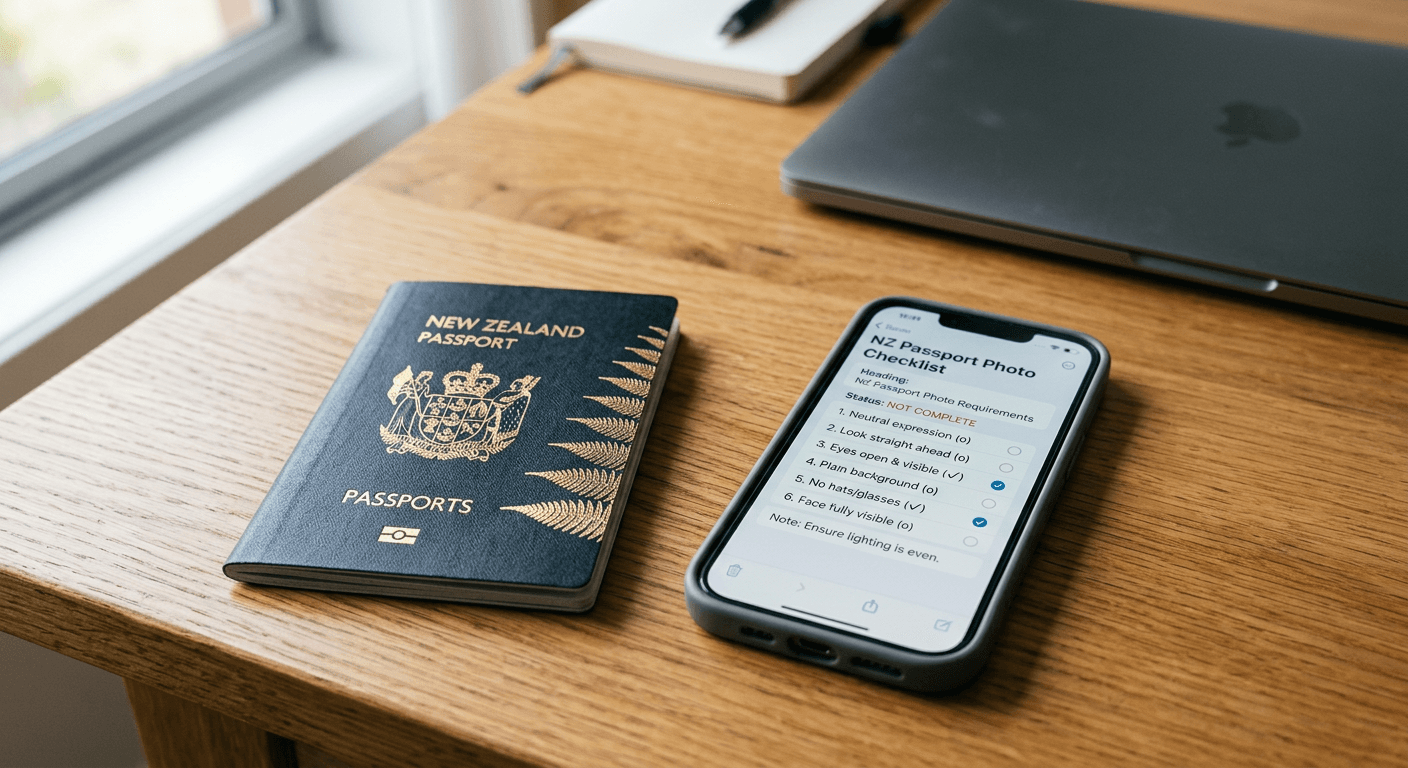
A consular officer in Manila reviews an urgent travel request on a Friday afternoon, only to find the applicant's digital photo has been rejected due to poor lighting. For New Zealand citizens living or traveling abroad, maintaining a valid travel document is the single most critical administrative task. Standard passport renewals nz options have migrated almost entirely online, but managing this process from overseas - especially when navigating diplomatic channels or securing a passport appointment philippines services require - demands a clear understanding of the digital pipeline and consular limitations.
Quick Summary
Renewing a New Zealand passport from anywhere in the world is primarily handled online through the Department of Internal Affairs digital portal. While standard applications do not require physical appointments, emergency travel documents or complex child applications may require coordination with the embassy in Manila.
- Standard renewals are processed 100% online via RealMe.
- Physical passport offices do not print standard passports locally in Manila.
- Compliant biometric photos are the primary cause of processing delays.
- Urgent travel within standard processing times requires an Emergency Travel Document.
Table of Contents
- Online systems have replaced manual passport renewals nz worldwide
- 1. Pathway verification
- 2. Biometric photo acquisition
- 3. RealMe authentication
- 4. Application submission
- 5. Global delivery and emergency handling
- Common Pitfalls & Troubleshooting
- FAQ
- Recommended Reads
Online systems have replaced manual passport renewals nz worldwide
The Department of Internal Affairs (DIA) in Wellington has centralized passport production. This means whether you are living in Auckland, London, or Manila, your standard book passport is printed in a highly secure facility in New Zealand and couriered globally. The New Zealand Embassy in Manila does not possess the specialized printing equipment required to issue standard biometric passports. Recognizing this operational split is the first step toward avoiding costly delays when your travel document is nearing expiration.
For most citizens, there is no physical paper form to post and no walk-in service to exploit. The entire workflow runs on digital infrastructure. Consular offices abroad exist to assist with emergency situations, citizenship registrations, and notary services rather than routine renewals. This guide details the practical mechanics of navigating this digital pipeline and resolving delivery challenges in foreign jurisdictions.
1. Pathway verification
Standard online renewals bypass consular desks entirely
Before launching an application, you must determine whether you qualify for the standard online renewal pathway. Adult passports issued for 10 years can be renewed online if the previous passport has not been expired for more than 15 years, is not severely damaged, and was not reported lost or stolen. If your passport was lost or stolen, you must first report it online or through the consular team before starting the renewal process, as this transitions your application into a replacement track requiring additional verification.
Child applications (for those under 16 years of age) introduce strict oversight. A child's passport is only valid for 5 years due to rapid changes in facial features. Crucially, a child's renewal cannot be executed purely by the child; a parent or legal guardian must lodge the application on their behalf. Additionally, child renewals require a referee - an independent adult who has known the child for at least 12 months (or since birth if the child is under one year old) and is not a relative or partner.
For families residing in the Philippines, a common stumbling block is the status of babies born abroad. If your child was born in the Philippines to at least one New Zealand citizen who acquired citizenship other than by descent, the child is a New Zealand citizen by descent. However, you cannot apply for a passport until you have registered the citizenship by descent and received a formal citizenship certificate. Attempting to apply for a passport before this certificate is issued will result in immediate rejection of the passport application.
2. Biometric photo acquisition
Automated photo checkers enforce strict biometric rules
The single most common point of failure in the digital application pipeline is the passport photo. The DIA uses automated face-matching software to analyze uploaded images against global biometric standards before a human officer even looks at the file. If the automated system detects shadows, incorrect head proportions, or glare on glasses, the file is flagged, putting your application into a manual review queue that can add weeks to processing times.
Your digital image must be captured in a 3:4 aspect ratio, with a file size between 250KB and 10MB, and dimensions of at least 900 pixels wide by 1200 pixels high. The background must be a light, plain, non-reflective color - light grey or cream is preferred; pure white is frequently rejected because it washes out light-colored hair and skin tones. There must be no shadows on the face or behind the head, meaning overhead ceiling lights should be balanced with forward-facing diffused light.
For parents struggling with infant biometrics, referring to a specialized New Zealand Baby Passport Photo Guide can prevent immediate system rejection. Infants cannot have hands, toys, or car seat straps visible in the frame, and their eyes must be open with a neutral expression. When shooting at home, laying the baby on a flat, light-grey sheet on the floor and shooting from directly above is the most reliable way to avoid shadows and keep the child's head straight.
3. RealMe authentication
Basic digital accounts confirm identity without physical verification
To access the online application portal, you must log in using RealMe, the secure identity verification service used by the New Zealand government. There is a persistent myth that you must possess a fully "Verified RealMe Identity" - which requires a physical identity check at a participating PostShop in New Zealand - to renew a passport. This is incorrect. For standard online passport renewals, a basic RealMe login (which takes 5 minutes to set up online with an email address and password) is completely sufficient.
During the online passport application, the portal bridges your basic RealMe login with the passport database by asking for your previous passport number, full legal name, and date of birth. Once matched, your identity is verified through your historical record, bypassing the need for a physical identity check. This allows expatriates who have lived outside New Zealand for decades to renew their documents seamlessly from abroad.
If you have legally changed your name since your last passport was issued (for example, through marriage or deed poll), you must select the "name change" option in the portal. You will be required to input details from your New Zealand registered marriage certificate or change of name document. If these events occurred outside New Zealand, you must mail the physical, original foreign certificates to the passport office in Wellington for manual verification before the new passport can be issued with your updated name.
4. Application submission
Digital lodgements require precise matching of official records
With your RealMe account configured and a validated biometric photo saved to your device, you are ready to complete the online form. The application portal is structured as a step-by-step wizard. You will be prompted to enter your personal details, residential address, and preferred delivery address. Pay close attention to the delivery address field: if you are living in a country with complex postal infrastructure like the Philippines, you must provide a physical street address where someone is guaranteed to be present during business hours to sign for the courier package.
When applying for a child, you must input the referee's email address and phone number. The system will automatically generate an email to your referee with a secure link. The referee must click this link, log in with their own basic RealMe account, and verify that the photo submitted matches the child they know. This step must be completed before the passport office will begin processing the application. If your referee delays, your application sits idle in the queue.
Practical rule: Always keep a digital copy of your referee's contact details and passport number handy before starting a child's application, as the system will log you out after 15 minutes of inactivity.
Payment must be made online via a valid credit, debit, or prepaid card (Visa, Mastercard, or Amex). The fee is processed in New Zealand Dollars (NZD). If you are using a foreign-issued bank card, ensure your bank allows international transactions in NZD to avoid automatic payment blocks, which can freeze your application mid-submission.
5. Global delivery and emergency handling
Overseas dispatch relies on international couriers and emergency travel documents
Once your passport is printed in New Zealand, it is packaged in a tamper-evident sleeve and handed over to DHL or an equivalent secure international courier service. You will receive an automated email containing a tracking number the moment your passport leaves the printing facility. The transit time from New Zealand to major hubs like Manila typically takes several business days, but delivery to regional provinces can take significantly longer due to local courier handovers.
But what happens if you find yourself in the Philippines with an expired, lost, or stolen passport, and you have urgent international travel booked within days? In this specific scenario, online renewal is too slow. You must initiate a passport appointment philippines service via the New Zealand Embassy in Makati, Manila, to apply for an Emergency Travel Document (ETD).
An ETD is a simplified, non-biometric paper passport issued on-site at the embassy. It is typically valid only for a single journey back to New Zealand or to your country of residence, and its validity is strictly limited to the duration of that specific transit. To obtain an ETD, you must book an appointment with the consular team, bring physical passport photos, pay an emergency document fee, and provide solid evidence of your urgent travel (such as a confirmed flight itinerary departing within 72 hours). Note that some transit countries do not recognize ETDs or require a physical visa to be stamped into them, making this a complex and costly fallback option.
Common Pitfalls & Troubleshooting
The "Pending Referee" bottleneck stalls child applications
- Symptom: The online application status tracker is stuck on "Awaiting Referee Validation" for more than a week, and no update is received.
- Diagnosis: The automated email sent by the DIA system to your designated referee was either blocked by their email provider's spam filters, or the referee clicked the link but failed to complete the RealMe verification steps.
- Fix: Contact your referee directly. Have them search their spam folder for an email from "passports.govt.nz". If the email was never received, log back into your passport portal account, select your pending application, and use the "Resend Referee Link" button, or input a different referee's email address if your original choice is unavailable.
Biometric rejection of domestic photography
- Symptom: You receive an immediate automated email stating "Your photo does not meet requirements" within minutes of uploading your digital image.
- Diagnosis: The image fails technical checks. The most frequent causes are high-contrast shadows under the nose or chin, a background that is too dark, or barrel distortion caused by holding a smartphone camera too close to your face (which artificially expands the nose and distorts ear visibility).
- Fix: Re-shoot the photo. Position the camera at least 1.5 meters away from the subject and use optical zoom to frame the shot. This eliminates lens distortion. Ensure the background is flat and illuminated by diffused natural light from a window rather than direct overhead fluorescent globes.
Failed courier deliveries in remote provinces
- Symptom: Your DHL tracking status shows "Delivery Exception" or "Returned to Sender" while residing in a provincial barangay in the Philippines.
- Diagnosis: Local postal services or sub-contracted provincial couriers are unable to locate your rural address, or there was no authorized signatory available at the residence to sign for the sensitive government package.
- Fix: Do not use vague residential descriptions for international courier deliveries. Instead, address the shipment to a trusted local business address, your corporate workplace, or arrange in advance with DHL to hold the package at their nearest commercial service point or depot in the province for self-collection. You must present valid government photo identification to claim the package.
FAQ
Can I renew my NZ passport in person at the Embassy in Manila?
No. Standard biometric passport renewals must be completed online through the Department of Internal Affairs portal. The New Zealand Embassy in Manila does not accept paper renewal applications and does not print standard passports on-site. The embassy's role is restricted to issuing Emergency Travel Documents for citizens facing immediate, documented travel crises.
How long does it take to receive my renewed passport in the Philippines?
Standard online passport processing by the DIA in Wellington takes approximately 10 to 15 working days, plus an additional 3 to 7 working days for international courier transit via DHL to the Philippines. If you need a passport faster, you can select the "Urgent" processing option in the online portal for an additional fee, which prioritizes your application in Wellington and shortens processing to 3 working days before dispatch.
Can a citizen of another country act as a referee for a child's renewal?
Yes. Your referee does not have to be a New Zealand citizen. However, they must hold a valid passport from a recognized country (such as Australia, the UK, the US, or Canada) and have a basic RealMe account to log in and verify the child's identity online. They must also have known the child for at least 12 months and not be related to or live in the same household as the child.
What should I do if my current NZ passport is expired?
You can still renew your passport online using the standard portal, even if it has been expired for several years. The online system can verify your identity using records of expired passports issued up to 15 years ago. If your passport has been expired for longer than 15 years, you must apply as a first-time adult applicant, which requires submitting birth certificates or citizenship records to prove your identity.