Understanding Biometric Passport Standards Across Global Authorities for 2026
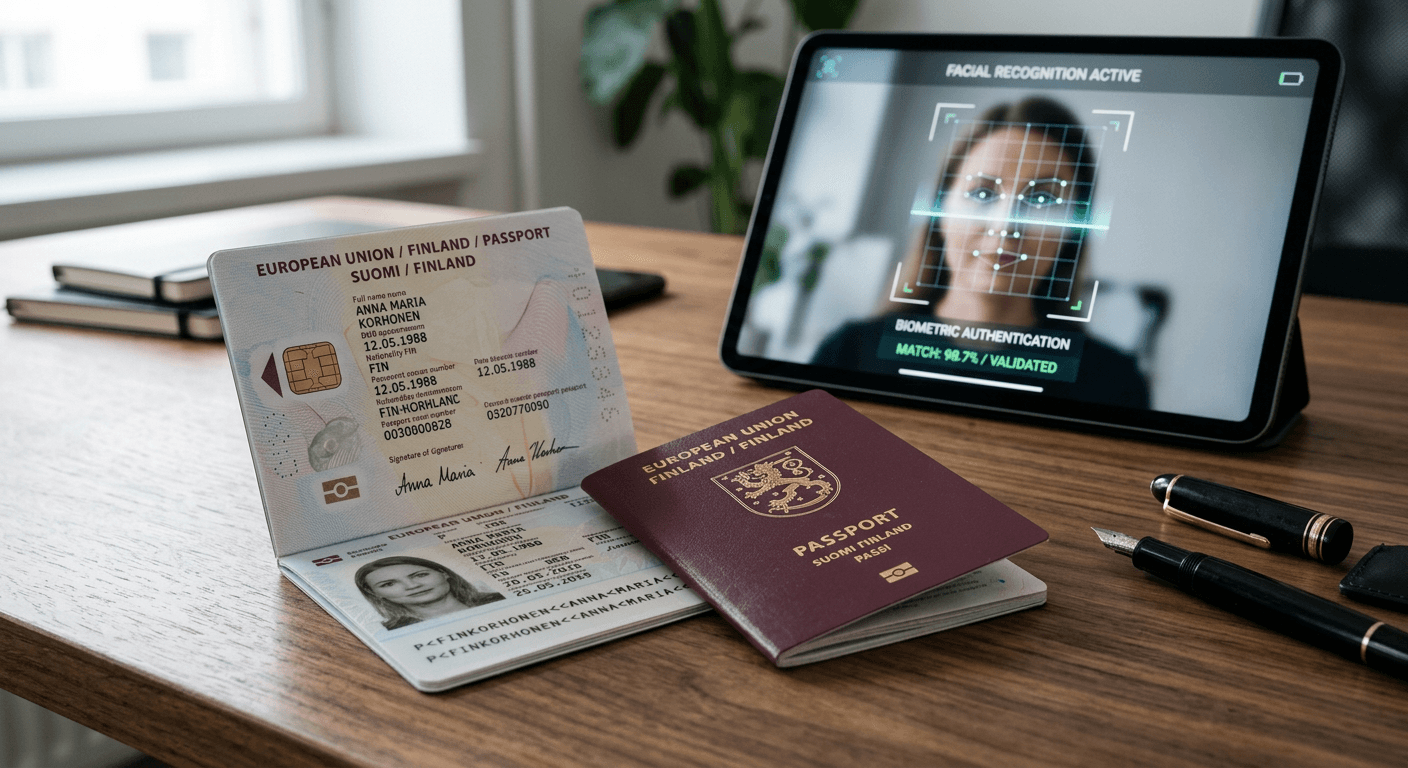
Obtaining a valid travel document requires navigating a complex web of technical specifications and regulatory requirements. A biometric passport serves as more than just a proof of identity; it is a sophisticated data container integrated with electronic features to verify the holder's physical attributes against a secure database. Whether preparing for international travel or residency applications, understanding the nuances of these documents is essential for ensuring successful processing and avoiding rejection.

Quick Summary
A biometric passport is an identity document featuring an embedded electronic chip that stores personal information and biometric identifiers, such as facial recognition data. These documents are regulated by international standards to ensure security and interoperability. Key takeaways include global reliance on ICAO standards, the role of digitized facial geometry, and the necessity of high-quality photographic compliance.
Table of Contents
- Comparison of Global Identity Document Standards
- The Mechanics of a Chip Passport
- Biometric Passport Requirements and Compliance
- Technological Evolution of the Passport ID
- How to Choose the Right Preparation Method
- Frequently Asked Questions
- Recommended Reads
Comparison of Global Identity Document Standards
| Category | Core Features | Advantages | Potential Drawbacks | Target Audience |
|---|---|---|---|---|
| Standard E-Passport | Embedded RFID Chip | Global interoperability | Prone to hardware wear | Frequent international travelers |
| Biometric Resident Permit | Extended data storage | Multi-purpose utility | Regional policy limitations | Expatriates and residents |
| Digital ID Credentials | Mobile-based access | Extreme convenience | Limited terminal availability | Domestic commuters and citizens |
| High-Security Visa Cards | Biometric data integration | High fraud resistance | Long issuance wait times | Business travelers and visa applicants |
Standard E-Passports remain the bedrock of international travel, adhering strictly to ICAO Document 9303. These documents utilize a contactless chip, often referred to as a chip passport, to store the holder's digital signature and biometric template. The primary advantage is the streamlined border crossing facilitated by automated gates.
Biometric Resident Permits and specific visa documents often mirror the security architecture of national passports but serve narrower purposes. While these formats offer enhanced utility for long-term stays, they are subject to evolving regional regulations. For those needing guidance on specific photographic standards for these applications, local guide resources can provide clarity on dimensions and background requirements.
The Mechanics of a Chip Passport
A chip passport operates on the principle of Public Key Infrastructure (PKI). The embedded contactless integrated circuit (IC) stores a digital version of the data found on the document's information page. This includes the holder's name, date of birth, and, crucially, a high-resolution digital image used for facial recognition.
The security of this technology lies in the digital signature. Each issuing country maintains a master list of public keys, allowing border systems to verify that the data on the chip has not been altered since issuance. If the data is tampered with, the digital signature check will fail, alerting border control to a security breach. This robust framework ensures that the document remains a reliable anchor for identity verification globally.
Biometric Passport Requirements and Compliance
Compliance is the single most frequent cause of application failure. A biometric passport relies heavily on the quality of the submitted photograph, which acts as the reference point for the biometric template. Authorities require specific lighting, lack of shadows, and neutral expressions to ensure that facial recognition algorithms can accurately map key features like the distance between the eyes and the outline of the jaw.
For infants and young children, achieving this level of compliance presents unique logistical hurdles. Parents must often navigate specific US baby passport photo requirements, which demand distinct head sizes and non-reflective backgrounds. Ensuring these standards are met prevents the common issue of rejection during the initial processing phase, which can delay travel plans significantly.
Technological Evolution of the Passport ID
The concept of a passport id has transitioned from simple physical booklets to complex digital credentials. Beyond the traditional chip, many jurisdictions are now exploring mobile-based identity solutions. These systems leverage the same biometric encryption found in physical documents but store them securely within encrypted mobile wallets.
Despite this digital shift, the physical document remains the standard for international travel. The integration of high-resolution printing, watermarks, and machine-readable zones (MRZ) works in tandem with the electronic chip. By synthesizing physical security features with digital verification, authorities have created a multi-layered defense against identity theft and document forgery that remains effective in the digital age.
How to Choose the Right Preparation Method
When preparing your application, the choice of method depends on your technical comfort and the strictness of the issuing authority. Traditional studios offer professional lighting but often come with higher costs and scheduling challenges. Conversely, DIY digital solutions are increasingly popular for their speed and cost-effectiveness. When opting for self-service methods, always verify the specific Germany baby passport photo standards or other local regulations to ensure the software outputs the correct DPI and cropping dimensions.
If you are processing documents for a family, consider the flexibility of AI-assisted platforms. These tools automate the tedious aspects of compliance, such as background removal and head-sizing, allowing you to focus on capturing a compliant image of your child. Regardless of the method, ensure that you always retain the original, unprocessed file in case of any technical disputes or formatting queries from the government office.
Frequently Asked Questions
- What is the difference between an e-passport and a regular passport? An e-passport includes an electronic chip that stores your biometric data, whereas a regular passport relies solely on printed visual information.
- Do I need to renew my passport if the chip stops working? While the document may still be valid for travel, a non-functional chip may cause delays at automated border kiosks. It is recommended to contact your local authority if the chip is suspected to be faulty.
- How does facial recognition work with passport photos? Facial recognition software maps the geometry of your face - including the distance between eyes, mouth, and nose - and compares this data to the biometric template stored on your passport chip.
Recommended Reads
- Learn about the nuances of UK baby passport photo standards.
- Explore the requirements for Canada baby passport photo applications.
- Understand the specific criteria for an Australian baby passport photo.