Understanding Global Passport Photo Requirements for Official Travel Documents in 2026
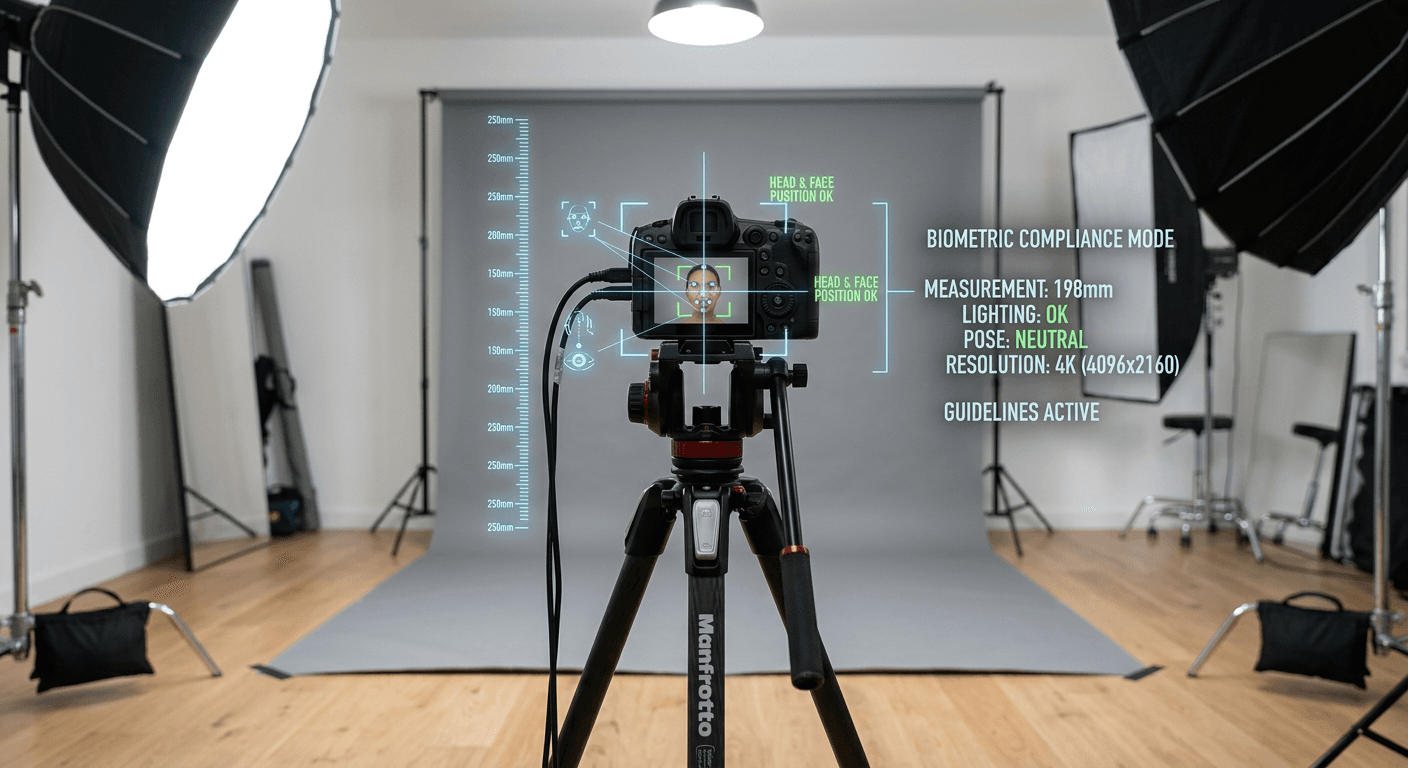
Navigating the complexities of international travel documentation often begins with a single, highly regulated task: obtaining a compliant photograph. Whether you are preparing for a visa application or renewing a national identity document, strict passport photo requirements govern everything from lighting and head position to digital file resolution. These regulations ensure that automated biometric facial recognition systems can accurately process your identity without manual intervention.

Quick Summary
Passport photo requirements are standardized technical specifications mandated by government agencies to facilitate biometric verification. These rules define image dimensions, head size, background color, and facial expression to ensure consistency. Maintaining compliance prevents application delays and costly rejections during the processing of official travel and identity documents.
- Adhere strictly to the specific pixel or millimeter dimensions required by your destination country.
- Ensure uniform lighting to eliminate shadows on the face or the background.
- Maintain a neutral expression with both eyes clearly visible and mouth closed.
- Use high-resolution digital files for online applications to preserve biometric integrity.
Table of Contents
- Overview of Global Passport Photo Standards
- United Kingdom Passport Photo Requirements
- Passport Size Photo Germany Standards
- Technical Comparison of Regional Identification Requirements
- Essential Tips for Achieving Compliance
- Frequently Asked Questions
- Recommended Reads
Overview of Global Passport Photo Standards
Biometric photo processing relies on standardized inputs. While the International Civil Aviation Organization (ICAO) provides a baseline for travel documents, individual nations maintain specific interpretations. For instance, while most countries require a plain white or light gray background, the exact dimensions for a physical print or digital upload can vary significantly between regions. Understanding these subtle differences is critical for travelers, especially when managing infant passport photos which require extra patience and specific techniques to meet the same rigorous standards as adult photos.
Digital files intended for online portals often demand specific metadata, such as a minimum DPI (dots per inch) and a maximum file size in kilobytes. Failure to meet these technical thresholds frequently results in an automated rejection by the portal's submission software. Professional biometric photo processing services or advanced digital tools are often employed to automate these adjustments, ensuring that features like eye level and chin-to-crown distance fall within the narrow tolerances mandated by border authorities.
United Kingdom Passport Photo Requirements
For those applying for a British travel document, the UK passport photo requirements are quite specific regarding the physical and digital format. The government requires a 35mm wide by 45mm high photo for printed versions. The subject must be looking directly at the camera with a neutral expression. Any obstruction of the face, including hair or accessories, is strictly prohibited to ensure the biometric mapping is successful.
- Pros: Clear, well-documented guidance provided by the HM Passport Office; digital code system available for online applications.
- Cons: Extremely low tolerance for shadows; rejected photos can cause significant processing delays.
- Target Audience: UK citizens applying for passport renewals or first-time document issuance.
Passport Size Photo Germany Standards
When searching for passport size photo Germany specifications, you will encounter the "biometric" requirement. German authorities mandate a 35x45mm format, but with very precise facial centering rules. The distance from the eyes to the bottom of the photo must be between 13mm and 15mm. These measurements are strictly enforced to align with the Schengen area's interoperable facial recognition database.
- Pros: Highly standardized; local photo machines at civil offices are programmed to these exact specifications.
- Cons: Minimal flexibility for infants or children who may have difficulty holding a neutral expression; requires high-contrast imagery.
- Target Audience: Residents of Germany or those applying for German visas or residence permits.
Technical Comparison of Regional Identification Requirements
| Region | Standard Size | Background | Key Focus | Target Audience |
|---|---|---|---|---|
| United Kingdom | 35x45mm | Plain Off-White | Biometric Mapping | UK Citizens |
| Germany | 35x45mm | Neutral Gray | Eye-to-Chin Ratio | Residents/Visitors |
| Australia | 35x45mm | Plain White | No Shadows | Applicants |
| Canada | 50x70mm | White/Light | Professional Stamp | Citizens |
| Saudi Arabia | 40x60mm | White | Facial Clarity | Visa/Passport |
Essential Tips for Achieving Compliance
Achieving a compliant photo at home requires careful attention to the environment. Lighting is the most common point of failure. Use soft, diffused natural light from a window facing the subject to prevent harsh shadows on the wall behind them or on the face itself. Avoid using a flash directly, as it often creates "red-eye" or distracting reflections on glasses or skin.
For digital submissions, ensure the image file is not compressed to the point of pixelation. Many online systems have specific requirements for file formats, usually JPEG. Before submitting, review the terms of your application service to ensure you understand the requirements for re-submission if the initial upload is flagged. Utilizing professional digital tools can simplify the biometric photo processing by auto-cropping to the correct aspect ratio and ensuring the background is perfectly uniform.
Frequently Asked Questions
- Can I wear glasses in my passport photo? Most authorities discourage glasses due to reflections. If you must wear them, ensure no glare covers the eyes and the frames do not hide any part of your pupils.
- How often should I update my passport photo? You should always use a current photo that reflects your true appearance. Generally, this means a photo taken within the last six months.
- Why was my photo rejected? Common reasons include improper lighting, incorrect head size, a non-neutral expression, or a background that is not perfectly plain.